Die Cloud-Revolution in der Kieferorthopädie
Da Branchenriesen wie Invisalign und Angelalign hohe Maßstäbe in Sachen Technologie und Service setzen, sind aufstrebende Marken und unabhängige Praxen auf jeden möglichen Vorteil angewiesen. Der entscheidende Faktor? Cloud-basierte Plattformen, die KI-gestützte Behandlungsplanung, nahtlose Zusammenarbeit und intelligentes Auftragsmanagement in einem einheitlichen Ökosystem vereinen.
In diesem Artikel untersuchen wir, warum die Einführung einer Cloud-Plattform für jede Marke für unsichtbare Zahnspangen, die auf höchstem Niveau konkurrieren möchte, nicht mehr nur ein „Nice-to-have“, sondern eine absolute Notwendigkeit geworden ist. Von der Transformation der Patientenkommunikation bis hin zum Einsatz generativer KI – die Cloud definiert neu, was in der Kieferorthopädie möglich ist.
1. Reibungslose Kommunikation zwischen Arzt und Patient
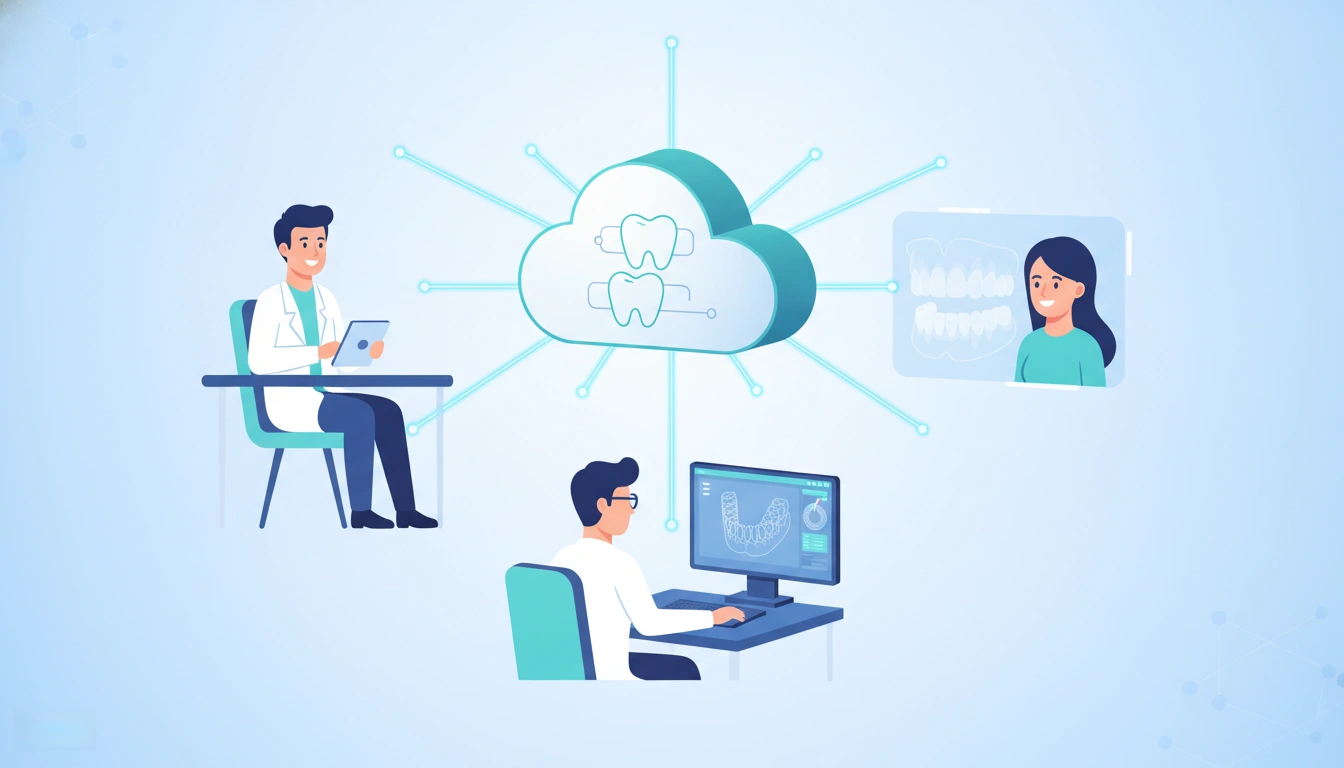
Das Vertrauen der Patienten ist der Grundstein für die Akzeptanz einer Behandlung. Mithilfe von Cloud-Plattformen können Ärzte interaktive 3D-Behandlungssimulationen über einen einfachen Browser-Link mit ihren Patienten teilen – ganz ohne Softwareinstallation. Patienten können den Verlauf ihrer Zahnbewegung visualisieren, den Zeitplan der Behandlung nachvollziehen und die zu erwartenden Ergebnisse von jedem Gerät aus einsehen.
Dieses Maß an Transparenz steigert die Akzeptanzrate der Behandlungen erheblich. Studien haben gezeigt, dass Patienten, die sich die Behandlungsergebnisse visuell vorstellen können, sich deutlich häufiger für eine Clear-Aligner-Therapie entscheiden. Mit Echtzeit-3D-Simulationen, animierten GIFs zur Zahnbewegung und teilbaren Behandlungsberichten verwandeln Cloud-Plattformen das Sprechzimmer in ein Hightech-Erlebnis, das es mit den größten Marken der Branche aufnehmen kann.
Zudem verbessert sich die Therapietreue, wenn Patienten über cloudbasierte Patientenportale Einblick in ihren Behandlungsfortschritt erhalten. Sie können ihren Trageplan für die Aligner verfolgen, Erinnerungen erhalten und direkt mit ihrem Arzt kommunizieren – und das alles über eine für Mobilgeräte optimierte Benutzeroberfläche.

2. Nahtlose Zusammenarbeit zwischen Ärzten und Designern
Herkömmliche Arbeitsabläufe bei der Behandlung mit transparenten Alignern leiden unter einer fragmentierten Kommunikation. Zahnärzte reichen Fälle ein, warten tagelang auf Antworten und haben mit unzusammenhängenden E-Mail-Verläufen und Dateiübertragungen zu kämpfen. Cloud-Plattformen beseitigen diese Reibungspunkte vollständig.
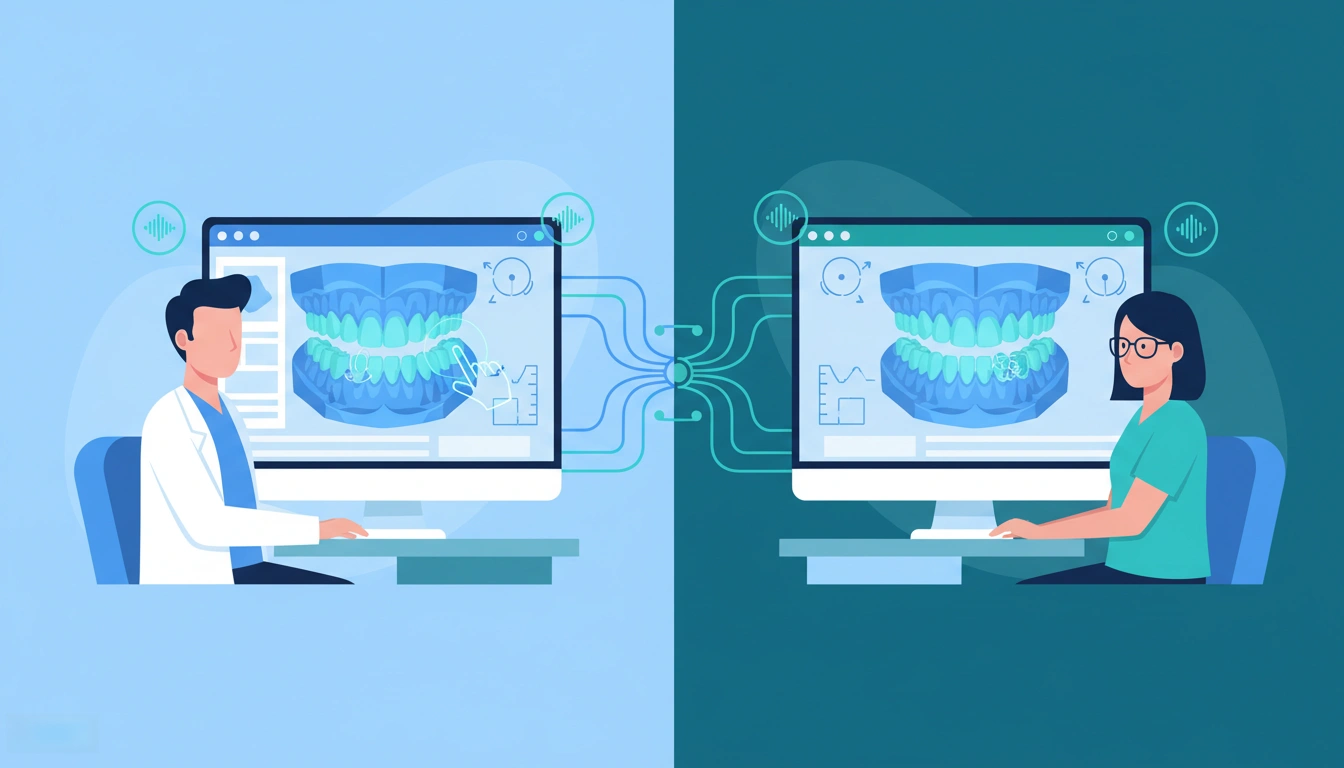
Mithilfe von Portalen für die Zusammenarbeit in Echtzeit arbeiten Ärzte und Konstrukteure gleichzeitig auf derselben Plattform zusammen. Ärzte können Behandlungspläne prüfen, Anmerkungen direkt im 3D-Modell hinterlassen, Änderungen anfordern und endgültige Entwürfe genehmigen – und das alles innerhalb von Minuten statt Tagen. Dank direkter Nachrichtenübermittlung und fallspezifischer Kommentarthreads geht kein Detail unter.
KI-gestützte und cloudnative Plattformen wie Best Smile Tech AI bieten ein einzigartiges Dual-Mode-System: Die KI erstellt in etwa 10 bis 20 Minuten einen vollständigen Behandlungsplan, den erfahrene Designer anschließend entsprechend den spezifischen Präferenzen des Zahnarztes überarbeiten, anpassen und verfeinern können. Dieser „KI plus Experte“-Workflow bietet sowohl Geschwindigkeit als auch klinische Präzision, mit denen regelbasierte Systeme einfach nicht mithalten können.
3. Optimierte Verwaltung von Großaufträgen
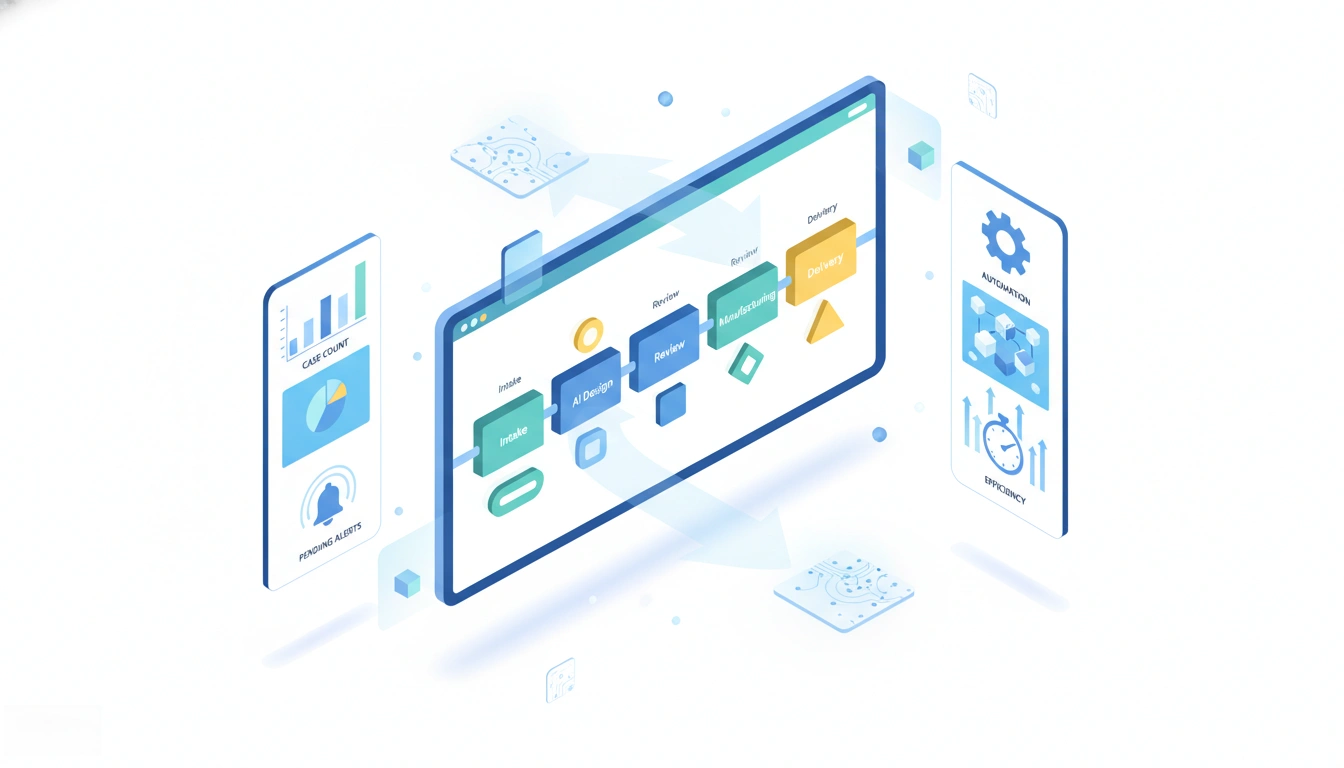
Angesichts der zunehmenden Verbreitung von Clear-Aligner-Praxen wird die Verwaltung von Hunderten oder Tausenden aktiver Fälle ohne die richtige Infrastruktur zu einem logistischen Albtraum. Cloud-Plattformen bieten zentralisierte Dashboards, auf denen der Status jedes einzelnen Falls – vom ersten Scan bis zur Auslieferung der letzten Aligner – auf einen Blick ersichtlich ist.
Zu den erweiterten Funktionen des Auftragsmanagements gehören die automatisierte Fallverfolgung, prioritätsbasierte Warteschlangensysteme, Stapelverarbeitung für sich wiederholende Aufgaben sowie intelligente Benachrichtigungen für Fälle, die besondere Aufmerksamkeit erfordern. Administratoren können Fälle bestimmten Designern zuweisen, Bearbeitungszeiten überwachen und Leistungsberichte erstellen – alles über eine einzige Benutzeroberfläche.
Dieses Maß an betrieblicher Effizienz ist für die Skalierung unerlässlich. Ganz gleich, ob Sie 50 oder 5.000 Fälle pro Monat bearbeiten – eine Cloud-Plattform sorgt dafür, dass kein Fall übersehen wird und Ihre Produktionspipeline reibungslos läuft.
4. Verwaltung von Zahnspangen an mehreren Standorten für zahnärztliche Dienstleister (DSOs)
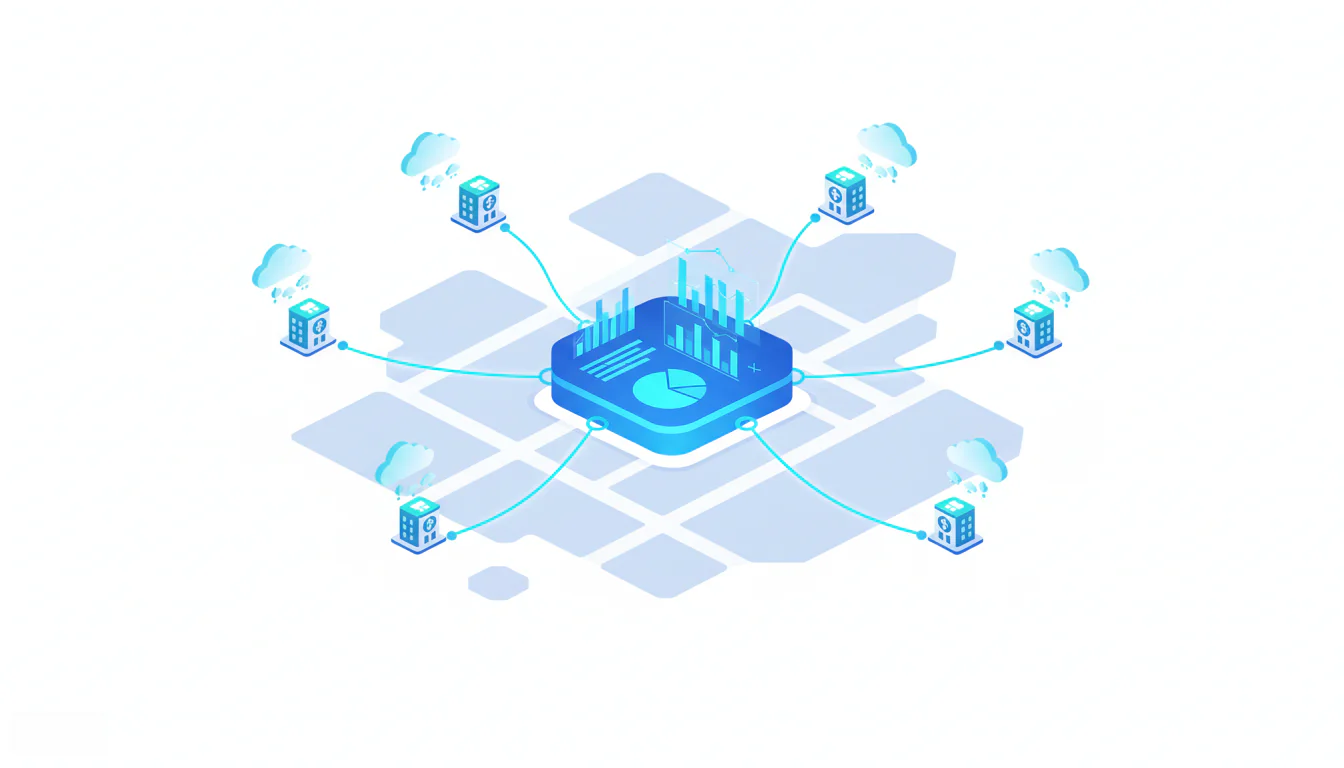
Zahnärztliche Dienstleistungsorganisationen (DSOs) stehen vor einer besonderen Herausforderung: der Koordination von Aligner-Behandlungen über Dutzende oder sogar Hunderte von geografisch verstreuten Kliniken hinweg. Cloud-Plattformen lösen dieses Problem durch ein zentralisiertes Fallmanagement, das der Zentrale vollständige Transparenz verschafft und es gleichzeitig jeder Klinik ermöglicht, unabhängig zu arbeiten.
DSO-Verantwortliche können die Behandlungsqualität standortübergreifend überwachen, klinische Protokolle standardisieren, Designressourcen zentral zuweisen und aggregierte Daten analysieren, um Trends und Chancen zu erkennen. Einzelne Praxen profitieren vom Zugang zu gemeinsamem Fachwissen, gebündelten Designressourcen und einheitlichen Patientenerfahrungen, unabhängig davon, welchen Standort sie aufsuchen.
Dieses zentral-dezentrale Modell ist nur mit einer Cloud-Infrastruktur möglich. Der Versuch, einen standortübergreifenden Betrieb mit Desktop-Software und manuellen Dateiübertragungen zu verwalten, ist nicht nur ineffizient – er stellt auch einen Wettbewerbsnachteil dar, der mit dem Wachstum des Unternehmens immer kostspieliger wird.
5. Schluss mit teuren Gaming-Computern
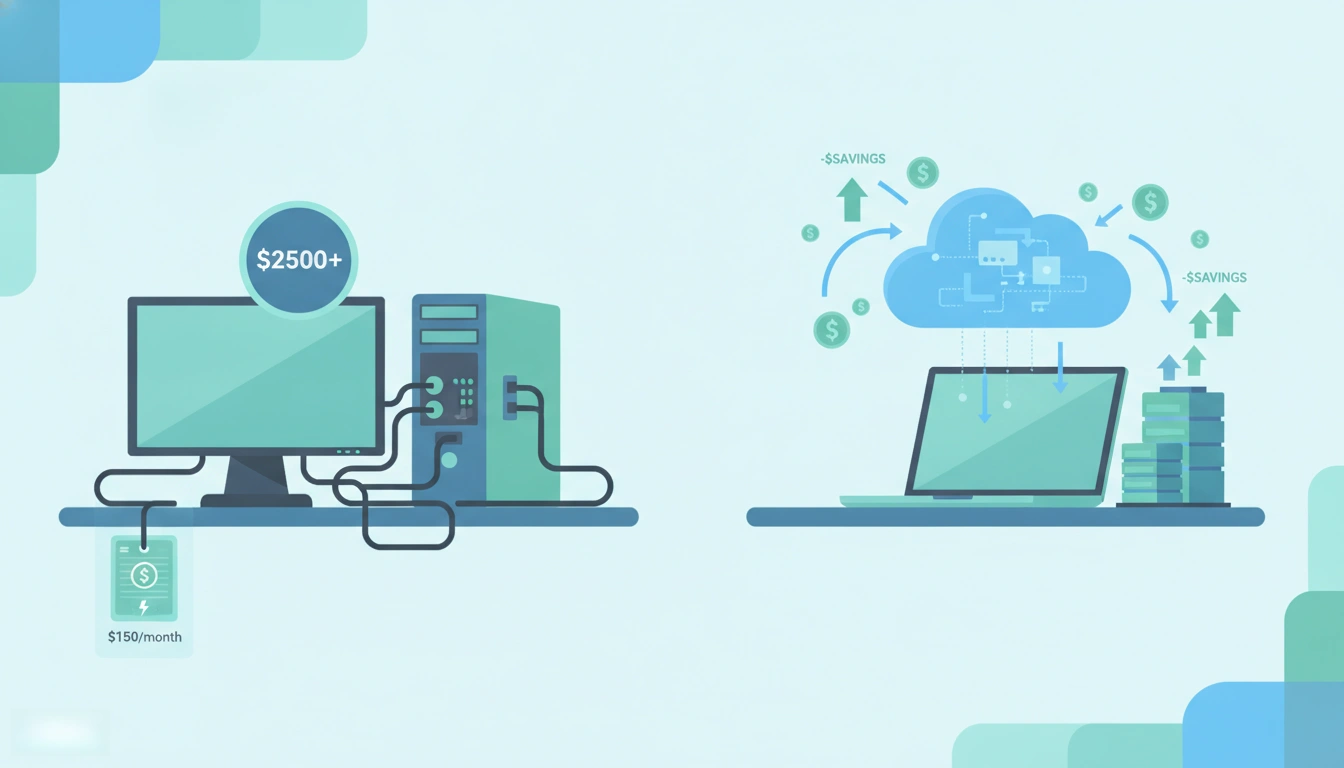
Einer der am häufigsten übersehenen Vorteile von Cloud-Plattformen ist der Wegfall teurer PC-Hardwareanforderungen. Herkömmliche 3D-Behandlungsplanungssoftware erfordert High-End-Workstations mit leistungsstarken Grafikkarten, großem Arbeitsspeicher und schnellen Prozessoren – deren Kosten oft zwischen $2.000 und $5.000 pro Rechner liegen. Für eine Praxis mit mehreren Anwendern summieren sich diese Investitionskosten schnell.
Cloud-Plattformen verlagern alle rechenintensiven Aufgaben – Inferenz von KI-Modellen, 3D-Rendering, Physiksimulationen – auf leistungsstarke Remote-Server. Jedes Gerät mit einem Webbrowser wird so zu einer vollwertigen Workstation. Ein Chromebook mit der Modellbezeichnung $500 kann auf dieselben Funktionen zugreifen wie ein Gaming-PC mit der Modellbezeichnung $5.000, da die Rechenleistung in der Cloud bereitgestellt wird.
Diese Demokratisierung der Technologie bedeutet, dass kleinere Praxen und aufstrebende Aligner-Marken ohne Vorabinvestitionen auf dieselbe Rechenleistung zugreifen können wie die Branchenführer. Außerdem entfallen dadurch die laufenden Kosten für die Hardware-Wartung sowie der Bedarf an IT-Support, um die Arbeitsstationen optimal zu halten.
6. KI vs. regelbasierte Ansätze: Ein Generationssprung
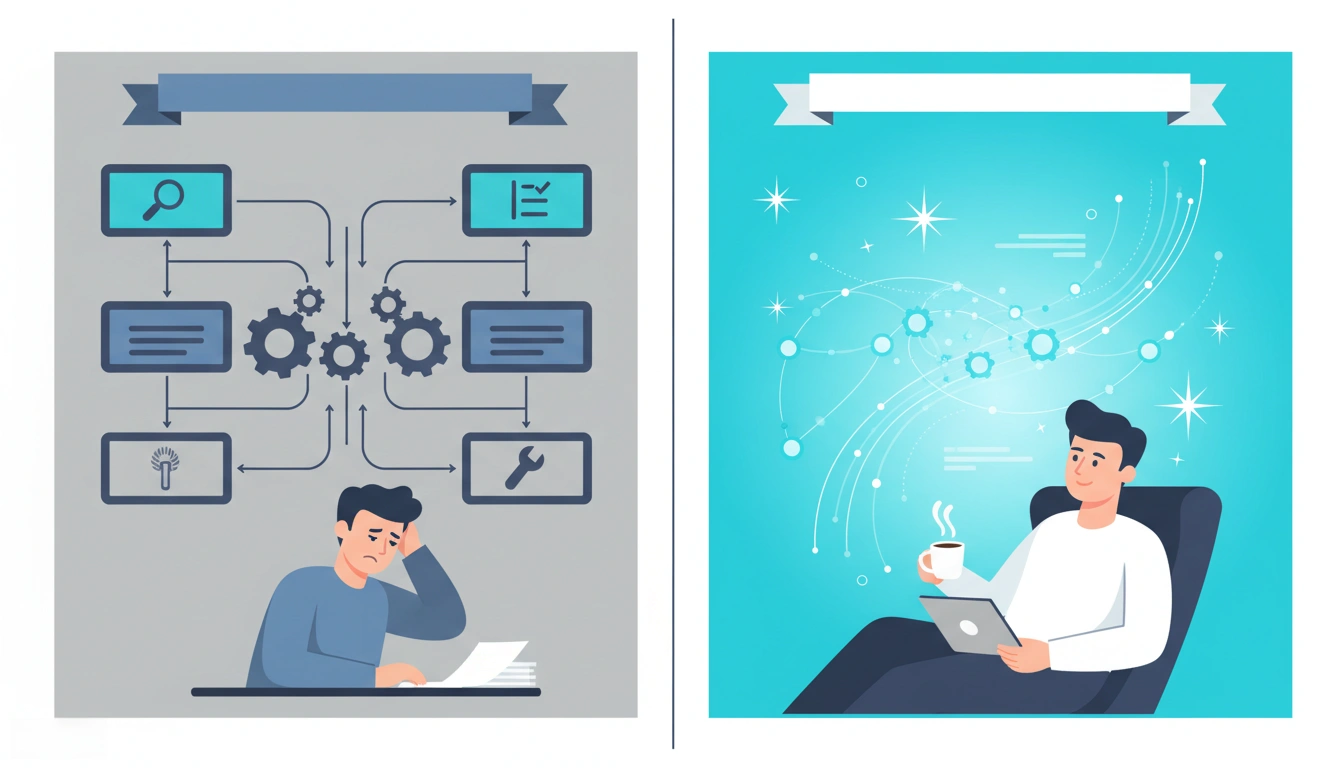
Der Übergang vom regelbasierten zum KI-gestützten Design von Clear Alignern stellt einen grundlegenden Paradigmenwechsel dar – und nicht nur eine schrittweise Verbesserung. Regelbasierte Systeme folgen fest programmierten Algorithmen: Wenn Bedingung A, dann Aktion B. Diese Systeme sind starr, erfordern umfangreichen manuellen Eingriff und haben Schwierigkeiten mit Fällen, die sich nicht eindeutig in vordefinierte Kategorien einordnen lassen.
KI-gestützte Plattformen hingegen lernen aus Hunderttausenden von realen kieferorthopädischen Fällen. Sie erkennen Muster, sagen Ergebnisse voraus und erstellen Behandlungspläne, die die feinen Feinheiten der individuellen Anatomie jedes Patienten berücksichtigen. Der Unterschied ist eklatant: Was bei einem regelbasierten System 2 bis 4 Stunden manuelle Arbeit erfordert, kann eine KI-Plattform in 10 bis 20 Minuten mit höherer klinischer Genauigkeit erledigen.
Branchenvergleichen zufolge erreichen KI-gestützte Behandlungspläne für häufige Fälle eine klinische Anwendbarkeitsrate von über 65%, ohne dass menschliche Anpassungen erforderlich sind. In Kombination mit einer Kalibrierung durch Experten steigt diese Rate sogar noch weiter an. Regelbasierte Systeme können dieses Automatisierungsniveau nicht annähernd erreichen, da ihnen die Fähigkeit fehlt, aus Daten zu lernen und zu verallgemeinern.
7. Die Cloud ist der einzige Ort für generative KI
Generative KI – die Technologie, die hinter großen Sprachmodellen und fortschrittlicher Bildgenerierung steht – wird nun auch bei der kieferorthopädischen Behandlungsplanung eingesetzt. Dieser innovative Ansatz automatisiert nicht nur bestehende Arbeitsabläufe, sondern eröffnet völlig neue Möglichkeiten beim Design von Alignern.
Es gibt jedoch eine entscheidende Anforderung, die viele übersehen: Generative KI-Modelle sind enorm groß. Sie erfordern spezialisierte GPU-Cluster, Terabyte an Speicherplatz und ständige Updates, die auf lokalen Arbeitsstationen unmöglich zu implementieren sind. Die Cloud ist für generative KI nicht nur praktisch – sie ist das einzig realisierbare Bereitstellungsmodell.
Cloud-native Plattformen können das volle Potenzial generativer KI ausschöpfen, da sie auf einer Serverinfrastruktur laufen, die speziell für diese Arbeitslasten ausgelegt ist. Behandlungspläne, für deren Erstellung Experten früher Stunden aufwenden mussten, lassen sich nun innerhalb von Minuten erstellen, verfeinern und optimieren. Diese Leistungslücke zwischen cloud-nativen und desktopbasierten Systemen wird sich mit zunehmender Komplexität generativer KI-Modelle weiter vergrößern.
Marken, die heute in Cloud-Infrastruktur investieren, positionieren sich so, dass sie von den Fortschritten im Bereich der KI profitieren können. Wer weiterhin auf Desktop-Software setzt, wird zunehmend Schwierigkeiten haben, mit der Geschwindigkeit, Intelligenz und Skalierbarkeit mitzuhalten, die cloudbasierte generative KI ermöglicht.
8. Weitere Vorteile, die Sie nicht übersehen sollten
Über die offensichtlichen Vorteile hinaus bieten Cloud-Plattformen eine Reihe weiterer Vorteile, die die Wettbewerbsposition stärken:
Sicherheit auf Unternehmensniveau
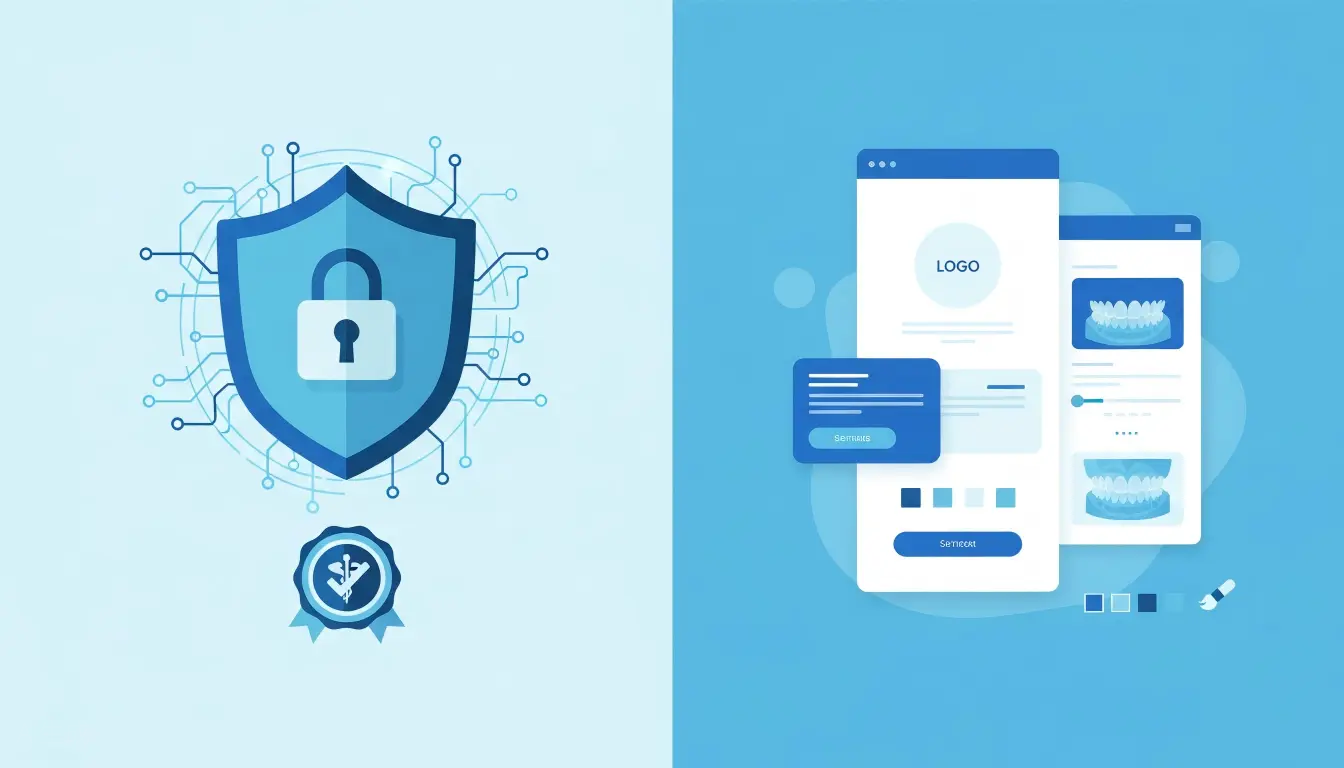
Cloud-Plattformen bieten eine HIPAA-konforme Datenverarbeitung, verschlüsselte Speicherung, automatisierte Datensicherungen und Funktionen zur Notfallwiederherstellung, die über das hinausgehen, was die meisten Einzelpraxen aus eigener Kraft umsetzen können. Patientendaten werden durch dieselben Sicherheitsstandards geschützt, die auch von großen Gesundheitssystemen angewendet werden.
Sofortige Software-Updates
Neue Funktionen, Aktualisierungen zur Einhaltung gesetzlicher Vorschriften und Verbesserungen an KI-Modellen werden automatisch bereitgestellt. Es ist nicht erforderlich, Patches herunterzuladen, Software neu zu installieren oder die Kompatibilität der Versionen auf mehreren Arbeitsplätzen zu verwalten.
White-Label-Branding
Cloud-Plattformen ermöglichen es aufstrebenden Anbietern von Zahnspangen, Ärzten und Patienten ein professionelles, markenspezifisches Erlebnis zu bieten, ohne ihre eigene Software von Grund auf neu entwickeln zu müssen. Dies verkürzt die Markteinführungszeit und vermittelt den Eindruck eines wesentlich größeren, etablierteren Unternehmens.
Skalierbarkeit ohne Investitionen in die Infrastruktur
Ganz gleich, ob Sie eine Einzelpraxis oder eine landesweit tätige Aligner-Marke sind – die Cloud-Infrastruktur passt sich automatisch an die jeweilige Nachfrage an. Sie müssen keine Server bereitstellen, kein IT-Personal einstellen und sich keine Gedanken über die Kapazitätsplanung machen – die Plattform wächst mit Ihrem Unternehmen mit.
Die Branche für transparente Aligner tritt in eine neue Ära ein, in der die technologische Differenzierung die Marktposition bestimmt. Cloud-Plattformen sind zur Grundlage geworden, auf der Wettbewerbsvorteile aufgebaut werden – sie verbinden Ärzte, Patienten und Designer auf eine Weise, wie es Desktop-Software niemals könnte; sie ermöglichen eine KI-gestützte Behandlungsplanung, die herkömmliche Methoden um ein Vielfaches übertrifft; und sie beseitigen die Hardware-Hürden, die kleinere Akteure früher daran hinderten, auf Funktionen auf Unternehmensniveau zuzugreifen.
Für Aligner-Marken, DSO-Unternehmen und unabhängige Praxen gilt gleichermaßen: Die Zukunft der Kieferorthopädie ist cloudbasiert, KI-gestützt und vernetzt. Wer sich diesen Wandel zu eigen macht, wird erfolgreich sein. Wer dies nicht tut, wird von Wettbewerbern überholt, die diesen Schritt bereits vollzogen haben.
Die Frage ist nicht mehr, ob Sie sich den Umstieg auf die Cloud leisten können. Die Frage ist vielmehr, ob Sie es sich leisten können, darauf zu verzichten.
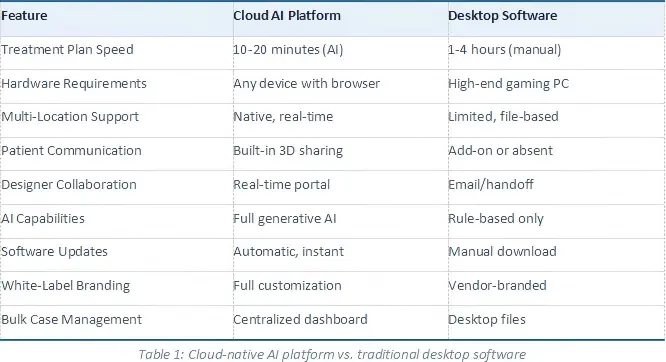
Funktionsvergleich auf einen Blick
Um die wichtigsten Unterscheidungsmerkmale zusammenzufassen: Hier sehen Sie einen Vergleich zwischen Cloud-nativen KI-Plattformen und herkömmlichen Desktop-Lösungen: