For clear aligner therapy, raw scanning precision is rarely the limiting factor.
Multiple studies establish the clinically acceptable threshold for orthodontic study models at approximately 200–300 μm . Modern intraoral scanners consistently deliver full-arch accuracy in the 100μm range, comfortably within clinical needs. In fact, a well-executed digital scan often surpasses the consistency of a traditional alginate impression when accounting for material deformation and stone expansion.
So, if most scanners are “accurate enough,” what should you really be evaluating?
The modern orthodontic IOS is not just a measuring device; it’s a practice efficiency engine, a patient conversion tool, and a workflow hub. The right choice transforms your daily operations, while the wrong one creates hidden friction.
Below are the seven non-negotiable dimensions that separate a great clear-aligner scanner from a basic one.
1. Data Fidelity: Accuracy is Table Stakes, Not the Game
While orthodontics tolerates a wider error band than prosthodontics, superior accuracy directly translates to clinical smoothness. Every micron of arch distortion can cascade into:
• Poor attachment seating
• Marginal gaps at the aligner’s gingival border
• Tracking failures, leading to mid-course corrections
The key isn’t lab-grade precision in the mouth; it’s clinical repeatability under real-world conditions. Superior stitching algorithms, motion-artifact suppression, and saliva management mean fewer retakes and a smoother treatment trajectory.
Ask not just “what’s the spec?” but “how does it handle a wet, restricted posterior mandible with a restless tongue?”
Don’t buy on brochure microns. Buy on proven performance in challenging clinical environments.
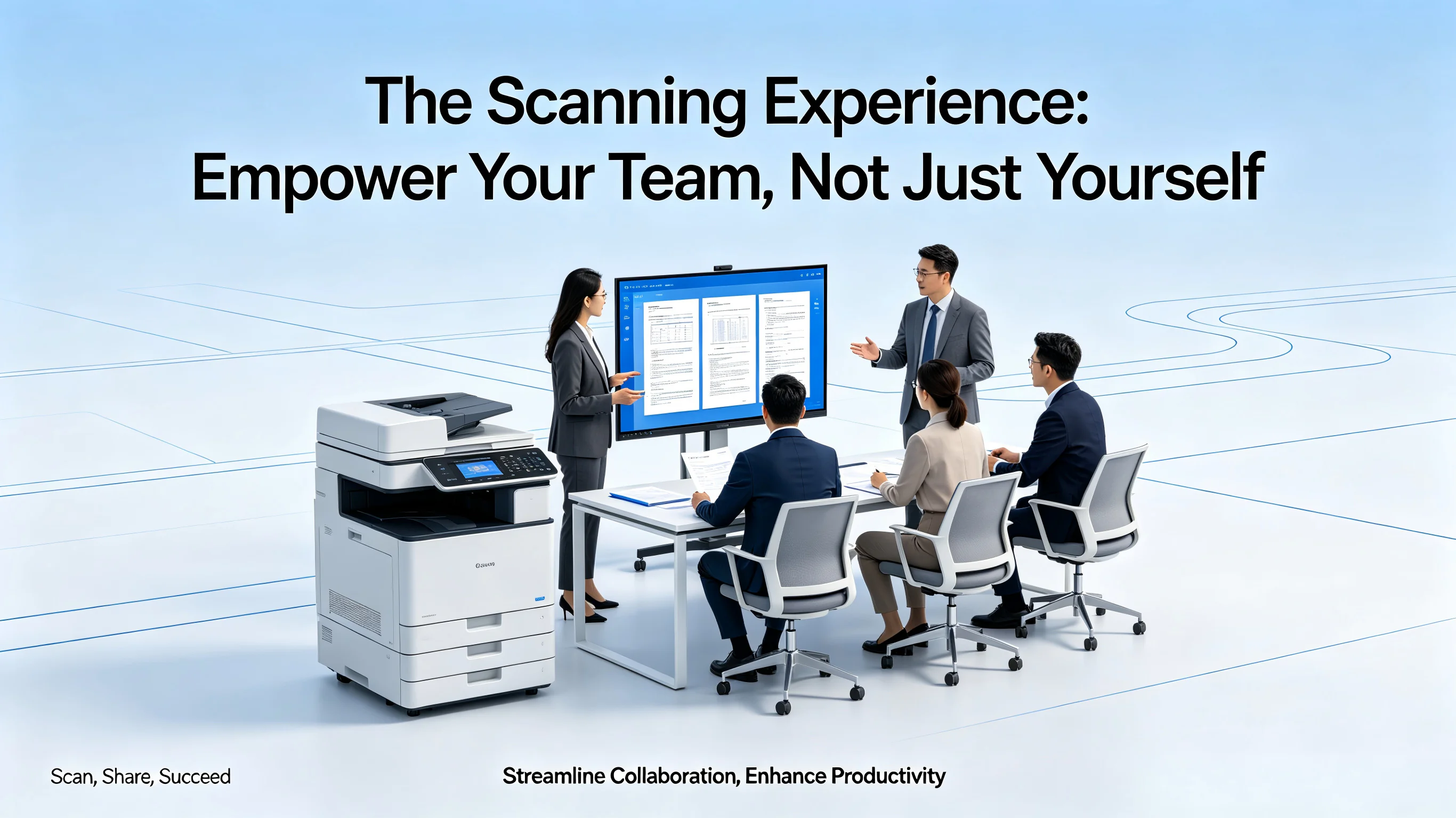
2. The Scanning Experience: Empower Your Team, Not Just Yourself
An IOS that requires the orthodontist to perform every scan is a drain on your most valuable resource: your time. The ideal scanner turns your dental assistant into a scanning expert.
Look for these AI-powered guardrails that standardize quality and speed:
• Real-Time AI Scan Guidance: Visual prompts (e.g., “Scan distal of #7”) guide the operator along the optimal path.
• Automatic Completeness Detection: The software flags missing data or thin areas before the patient leaves the chair, eliminating “oops” rescans.
• Auto-Trim & Tissue Removal: Delivers a clean, model-ready mesh instantly.
Platforms like 3Shape TRIOS, Alliedstar, Medit, and Shining 3D excel here. The outcome? Your assistant owns the scan. You review, approve, and move on. This is a throughput multiplier, not a luxury.
3. Patient Communication & Case Acceptance: The Visual Consultation Powerhouse
The scan itself is your most potent case presentation tool. Modern systems should turn the scan data into an engaging patient experience:
• Photorealistic 3D Color Data: Patients connect with what they see. Color data showcases crowding, wear, and gingival health far more effectively than a grey mesh.
• Chairside Treatment Simulation: Tools like iTero’s Invisalign Outcome Simulator, 3Shape TRIOS Treatment Simulator, or other brands’ ortho simulation allow you to show a dynamic “before-and-after” simulation in real-time. This is transformative for case acceptance.
• Instant Digital Reports: Generate and share template-driven, image-rich clinic reports within minutes of the scan.
• Monitoring Integration: Tie-ins with remote monitoring platforms (e.g., Dental Monitoring) keep patients engaged between visits.
For aesthetic-focused adults and younger patients, this visual, interactive process significantly boosts case acceptance rates. The scanner pays for itself not just by eliminating impressions, but by increasing your conversion rate.
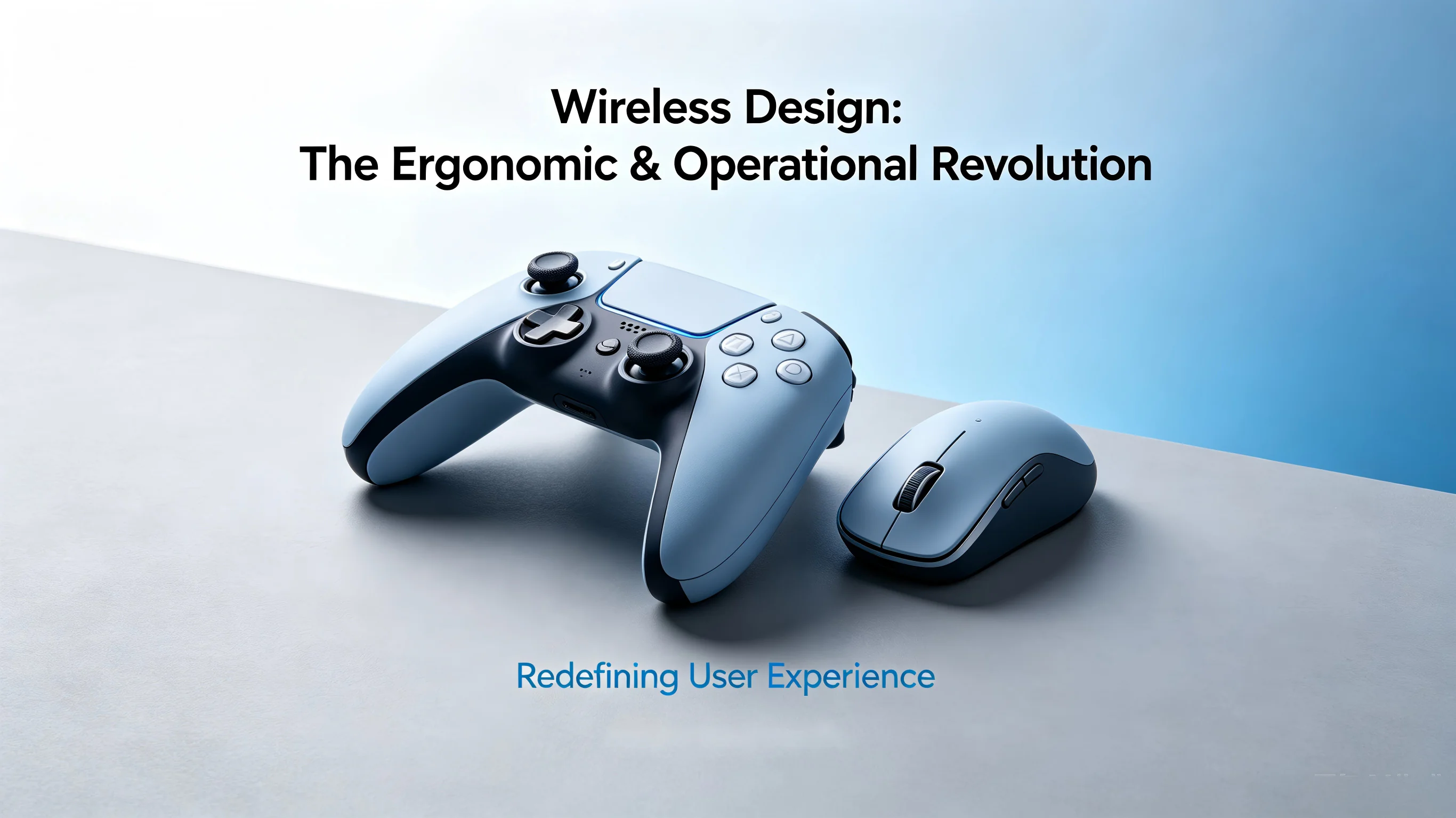
4. Wireless Design: The Ergonomic & Operational Revolution
The shift to wireless scanners is a game-changer for patient and practitioner comfort:
• Enhanced Patient Experience: No cable drag reduces anxiety and gag reflex, especially crucial for teens and anxious patients.
• Unmatched Mobility: Move freely between operatories without wheeling a heavy cart. Scan in one room, review in another.
• Flexible Clinic Layouts: Devices like the Alliedstar Sensa transform the scanner from a fixed station into a wireless-conencted instrument, for monitor, scanner and computer to connect each other wirelessly
The “premium feel” of a wireless workflow isn’t superficial—it elevates the entire patient perception of your practice. In a competitive market, experience is a key differentiator.
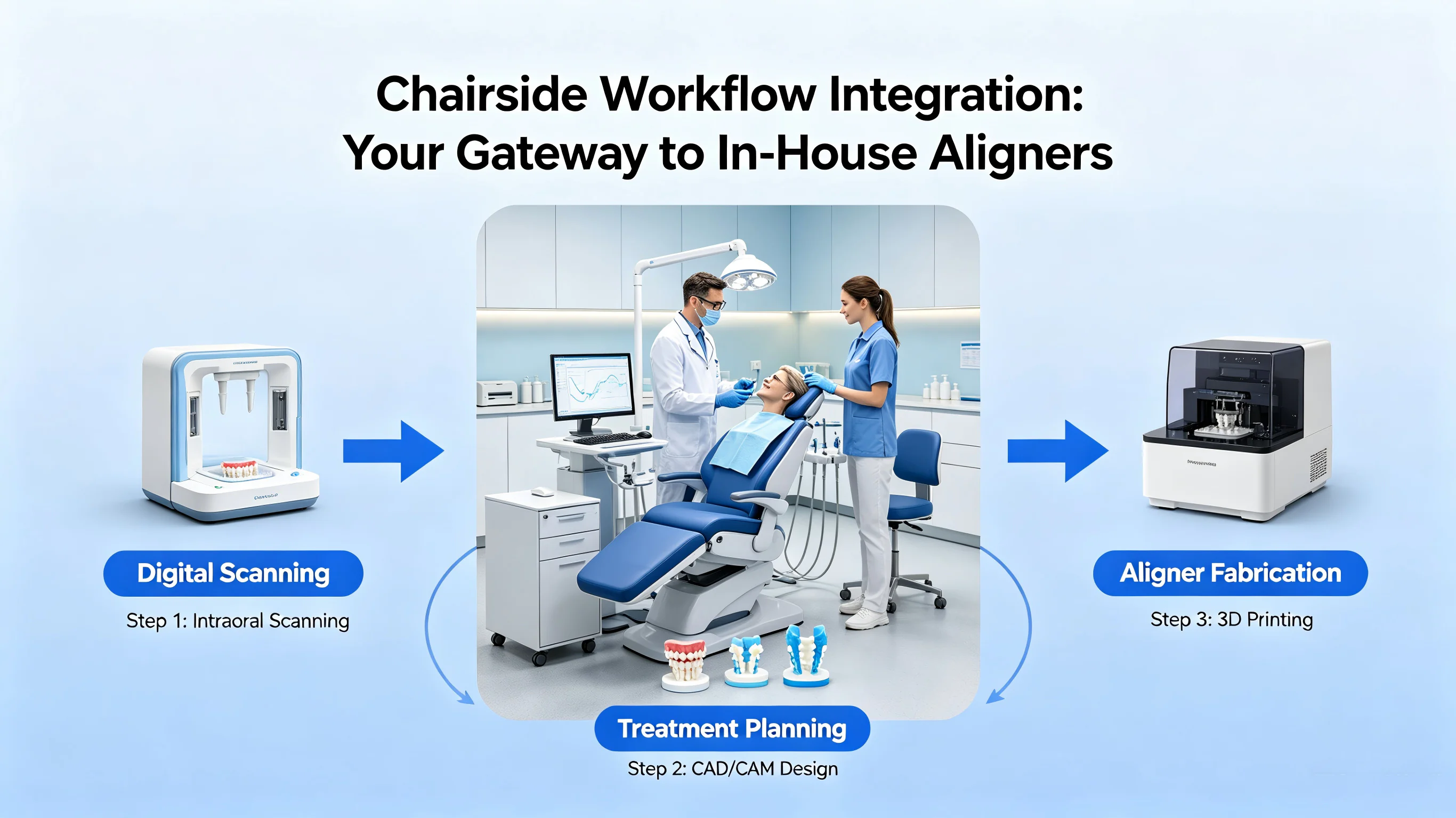
5. Chairside Workflow Integration: Your Gateway to In-House Aligners
If you’re exploring in-house clear aligner or retainer fabrication, your scanner must be an open gateway in your digital pipeline.
• Open File Formats (STL, PLY, OBJ) are Mandatory: You need the freedom to export data to any design software or 3D printer.
• Seek Documented Ecosystems: Look for scanners with integrated paths to design and printing, such as Medit’s Medit link, Alliedstar AS Connect, 3shape Unite, and Shining3D full package including scanner, software and printer.
• Avoid Vendor Lock-In: Even if you’re not printing today, choosing a closed ecosystem limits future growth. Openness is strategic flexibility.
6. Clear Aligner Brand Compatibility: The Critical Data Gateway
This is a binary, make-or-break question: Will your aligner lab or system accept scans from this device?
Your Primary Aligner Partner Your Scanner Priority
Invisalign (Align Tech) iTero scanners offer native, frictionless integration with the Outcome Simulator. 3Shape TRIOS also has established interoperability in many regions (confirm with Align). Other scanners may require extra export steps.
Angel Align, Smartee, Spark, ClearCorrect, etc. Prioritize open-architecture scanners (3Shape, Medit, Shining 3D, Alliedstar, Dexis, etc.) that export standard files (STL) accepted by your lab’s portal. Always verify your lab’s validated scanner list before purchasing.
Never assume compatibility. Always ask your lab: “Which scanners do you accept natively, and in what format?”
7. Scanner Recommendations: Match the Tool to Your Strategy
Here’s a pragmatic guide to narrow your search:
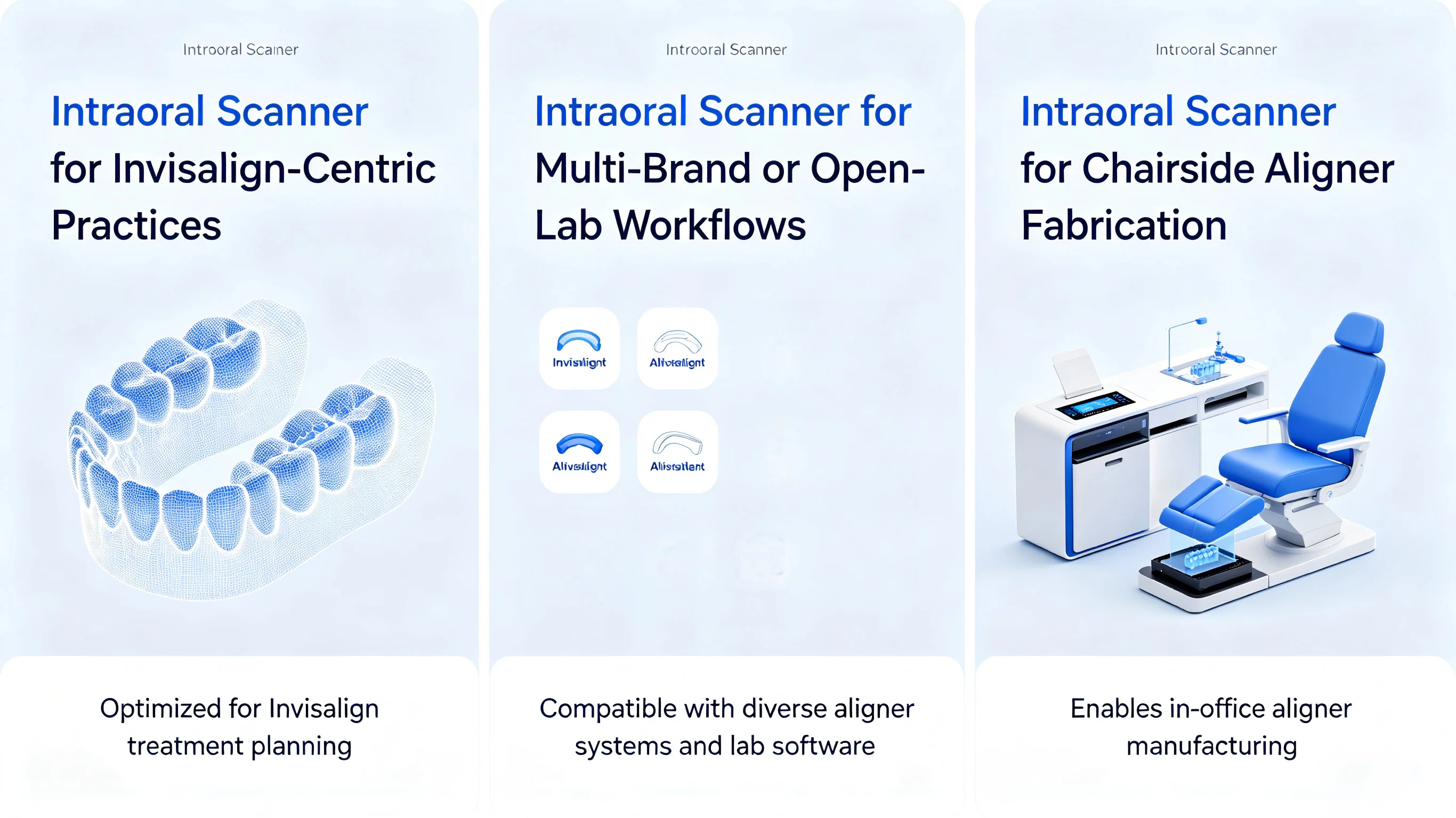
• For Invisalign-Centric Practices: iTero Element/Lumina is the purpose-built, seamless choice. 3Shape TRIOS3 is a cost-effective alternative if you need a multi-disciplinary (restorative, ortho, imaging) powerhouse and your region supports the pathway.
• For Multi-Brand or Open-Lab Workflows: Focus on open-platform leaders: 3Shape, Medit, Shining 3D, AlliedStar, Dexis. These brands prioritize integration over lock-in.
• For Chairside Aligner Fabrication: Medit has its own clear aligner design software, Shining3D and Alliedstar offer excellent open ecosystems with strong software and 3D print integration.
• For Maximum Value : Shining 3D and AlliedStar deliver competitive scan quality, modern features (like wireless), and open formats at aggressive price points, making them ideal for growth-focused practices.
The right intraoral scanner for clear aligner orthodontics in 2026 is far more than an impression tool. It is a patient conversion platform, a team efficiency multiplier, and a workflow orchestrator.
When you demo, bring your assistant. Scan a difficult lower arch. Test the simulation software. Verify compatibility with your lab. The scanner that wins on paper specs often stumbles in the third week of real clinical use. Make your decision where clinical reality meets the gingival margin.
Ready to transform your clear aligner workflow? Share your top scanner priority or question in the comments below!