
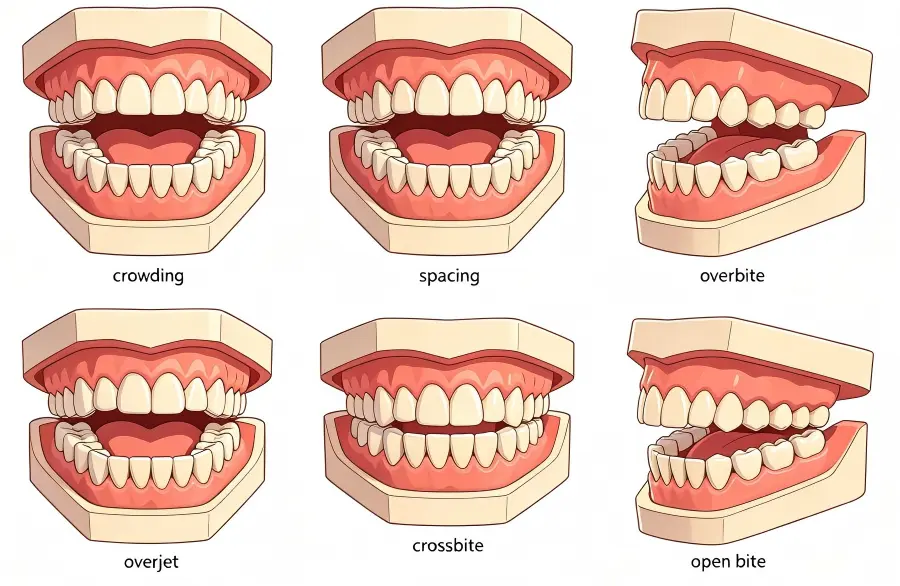
Not all clear aligners are created equal — especially for complex orthodontic cases. Severe crowding, deep bites, crossbites, and skeletal discrepancies demand more than a pretty aligner tray. This guide walks you through six critical criteria to evaluate which brands truly have the clinical muscle to handle difficult cases.
1. Evaluate the Planning Software & AI
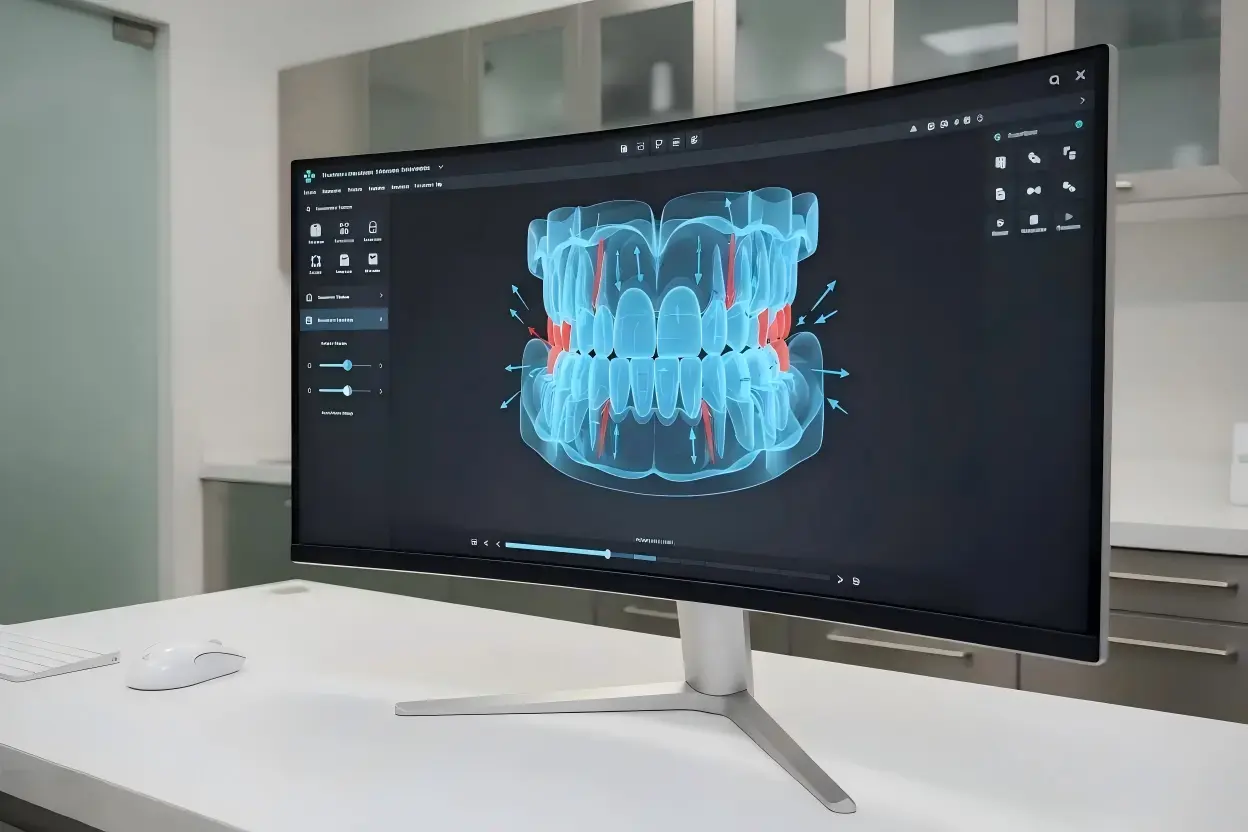
Behind every successful complex aligner case is sophisticated treatment planning software. Invisalign’s ClinCheck, for example, maps every tooth movement with sub-millimeter precision using AI-driven predictions, analyzing root positions, bone levels, and collision detection.
When comparing brands, ask: Does the software offer 3D root visualization? Can it simulate different scenarios? How accurate are its predictions? Premium software means fewer surprises mid-treatment.
2. Assess Attachment & Auxiliary Systems
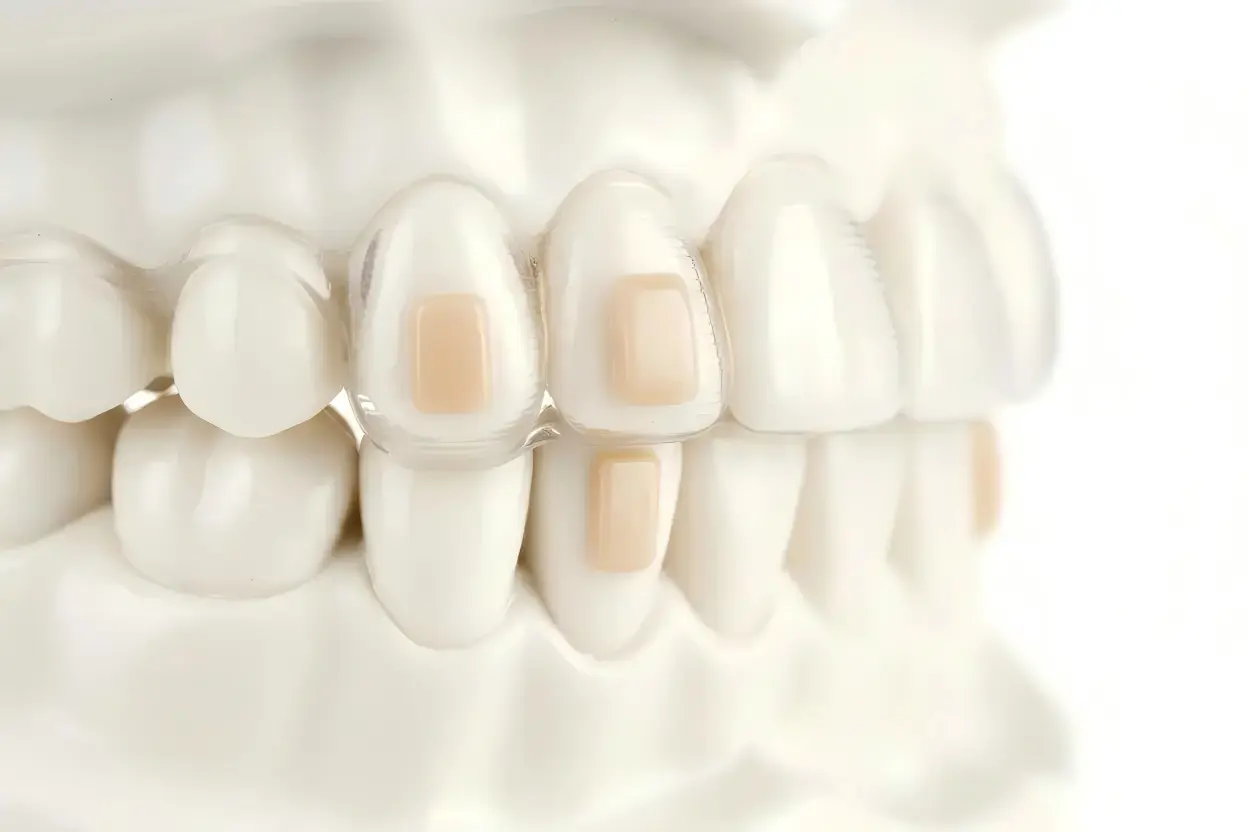
Complex tooth movements — rotating round teeth, extruding impacted teeth, correcting deep bites — rarely happen with plastic alone. Major brands invest heavily in proprietary attachment systems not just for differentiation, but because they make complex movements predictable and controllable.
Industrial-scale aligner design and manufacturing relies on these engineered attachments to deliver precise forces. Without them, you’re gambling on generic plastic pushing teeth in unpredictable ways. Check whether the brand offers a comprehensive, well-tested attachment and auxiliary system.
3. Look Past “Unlimited Refinements”
Some brands market “unlimited refinements” as a selling point — but this is a red flag disguised as a promise. Refinements are not a perk; they’re a sign that treatment didn’t go
as planned. Every refinement cycle consumes patient patience, erodes trust, and costs your dentist significant time and effort.
What truly matters is first-pass effectiveness — getting the treatment right the first time. While refinements are sometimes unavoidable in complex cases, the goal should always be to minimize them. Ask brands for their refinement rate, not their refinement warranty. A low refinement rate signals robust planning and reliable execution.
4. Compare Material Science & Biomechanics
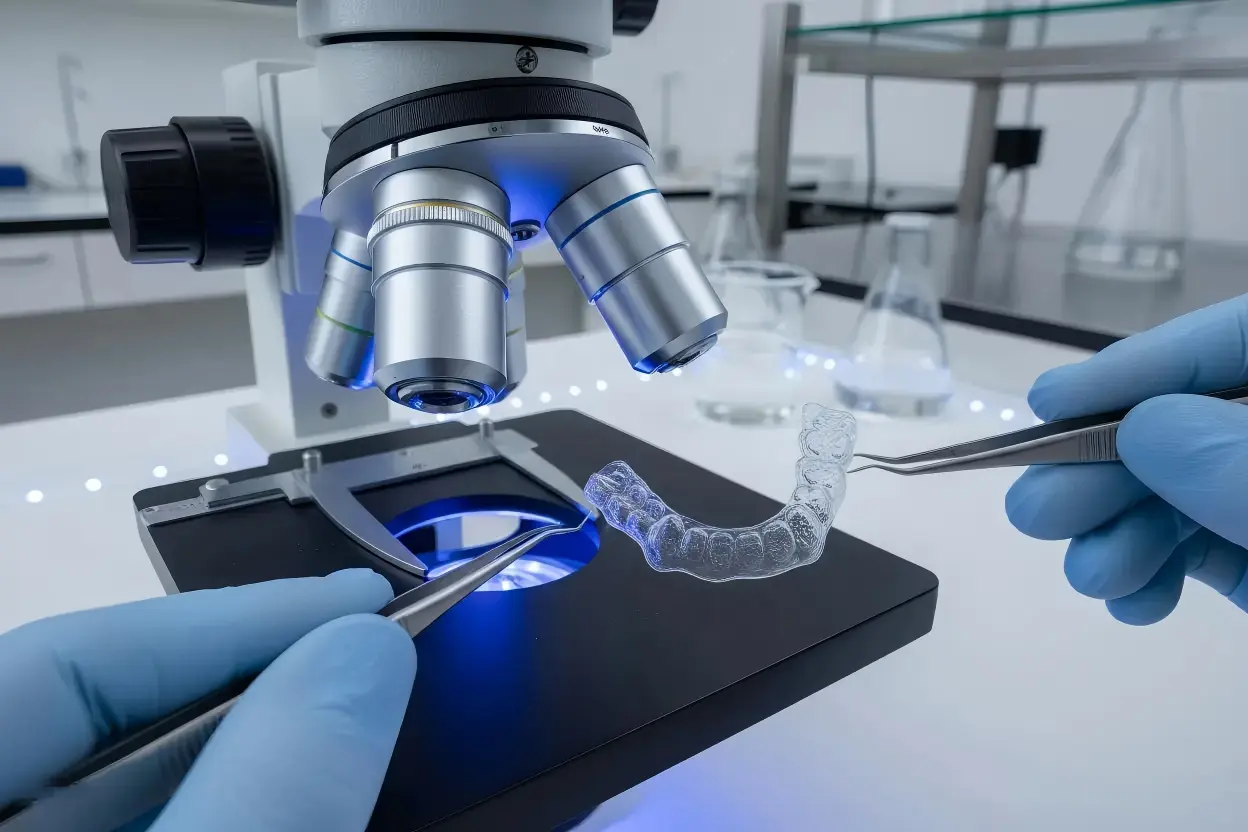
Not all aligner plastics are equal. Invisalign’s SmartTrack is a multi-layer thermoplastic engineered for consistent, gentle force — critical for complex movements. Cheaper brands often use generic PETG or TPU that lack the same elasticity profile. Ask about force decay curves, material thickness consistency, and peer-reviewed data on complex movement performance. The material is the engine; everything else is just the bodywork.
5. Review Real Complex Case Portfolios
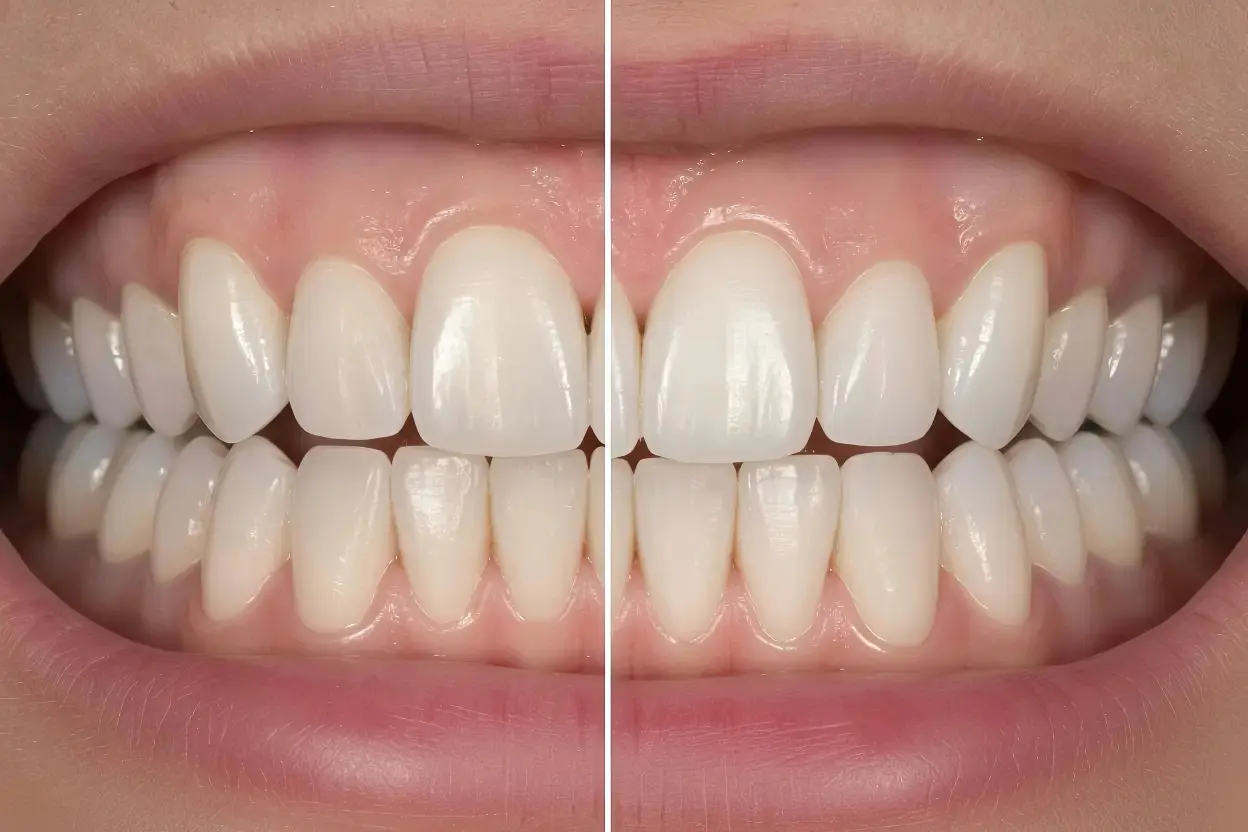
Before-and-after photos are worth more than marketing claims. Ask to see documented cases matching your condition — severe crowding, open bites, crossbites. Look for similar starting conditions, treatment time, attachments used, and long-term stability.
Be wary of providers showing only mild cases. An experienced provider will have a robust complex-case portfolio and be proud to share it.
6. Don’t Let Price Alone Drive Your Decision
Professional systems include the technology, materials, and expert oversight that complex cases demand. Consider total cost: included refinements, retainers, emergency visits, and potential retreatment costs. For complex cases, investing in a proven system with expert oversight is almost always the safer, more economical choice long-term.