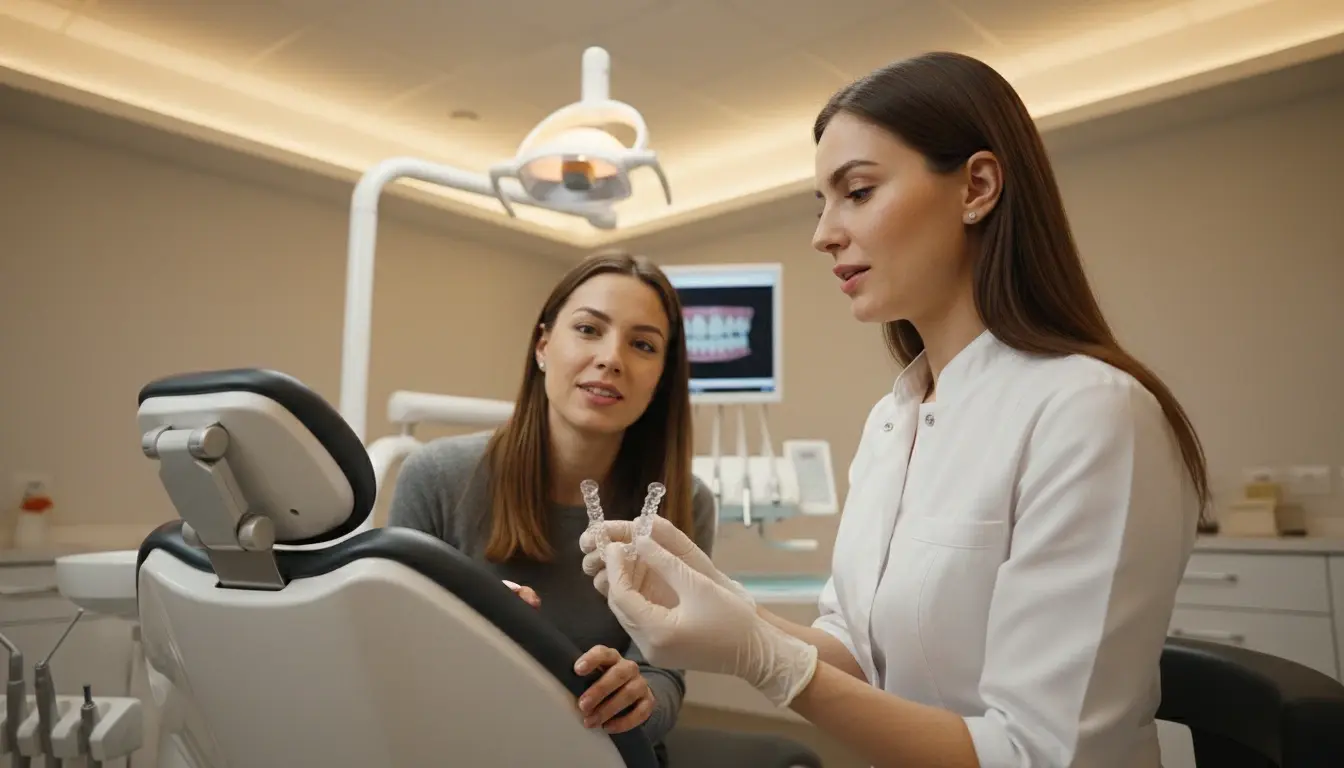
The global clear aligner market is growing rapidly, driven by rising demand for aesthetic orthodontic solutions. For dental practices, orthodontic labs, and emerging aligner brands, one strategic question looms large: Should you build an in-house treatment planning team, or partner with a specialized clear aligner design service?
This guide offers a balanced, data-driven comparison to help you make the right decision for your business — whether you are a chairside clinic scaling up or a brand entering the competitive aligner space.
Cost & Resource Efficiency: Beyond Headcount
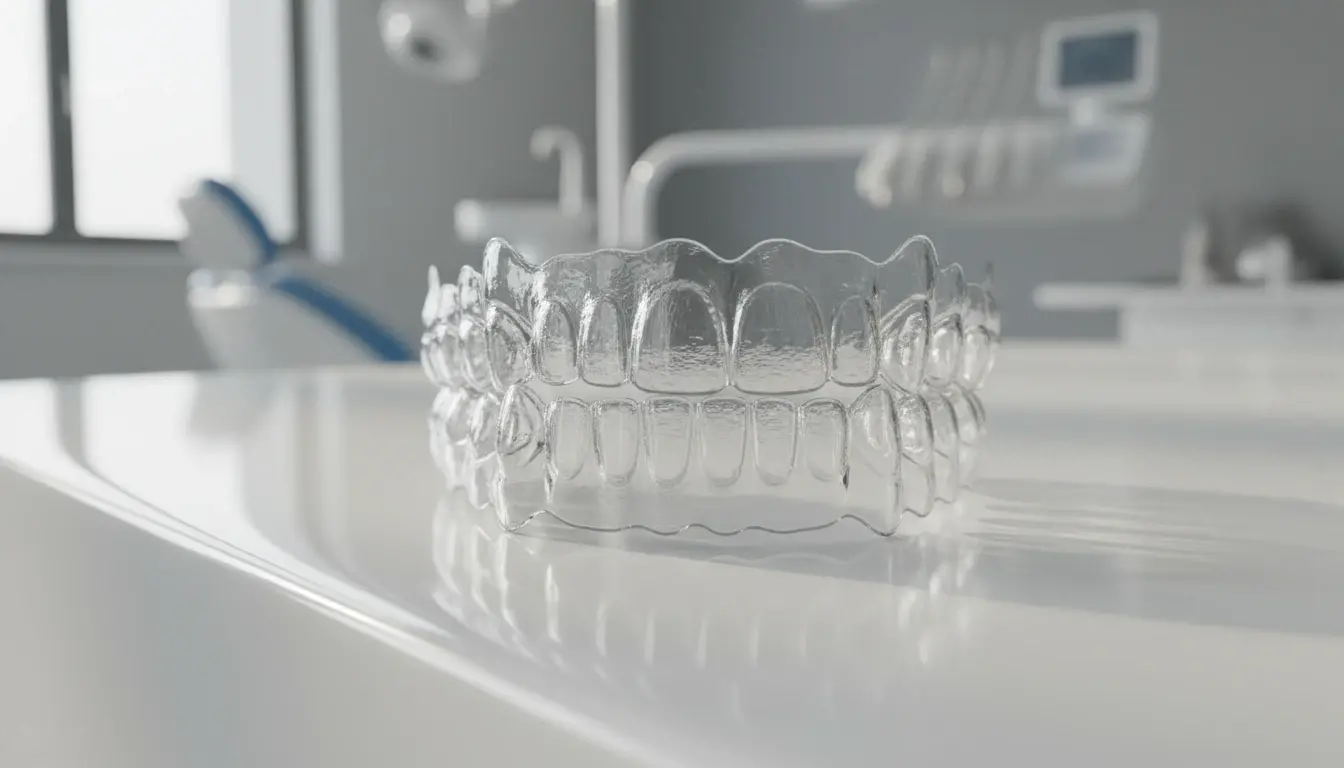
Building an in-house treatment planning team involves far more than hiring technicians. You need CAD software licenses (often $5,000–$15,000 per seat annually), continuous training, IT infrastructure, and quality assurance protocols. For mid-sized practices, total annual overhead can reach six figures before a single case is processed.
Partnering with a clear aligner design service converts these fixed costs into variable ones. You pay per case — scaling your expenses directly with revenue. This model preserves capital for marketing, clinical equipment, or geographic expansion.

Scalability & Turnaround Time
Orthodontic case volume fluctuates. Seasonal spikes, marketing campaigns, or new partner onboarding can overwhelm an in-house team, leading to burnout and delayed turnaround times.
A professional design service maintains bench depth to absorb volume surges without compromising delivery timelines.
Technology & AI Advantage
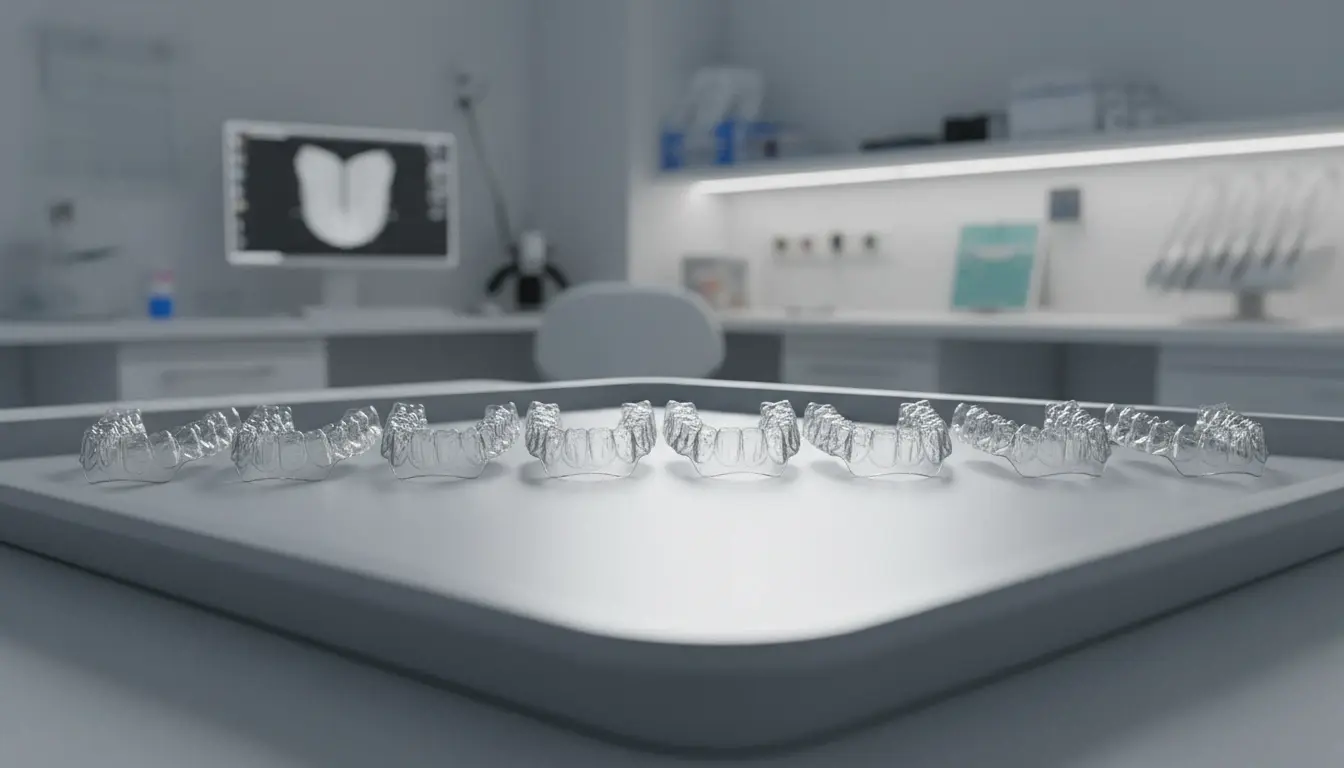
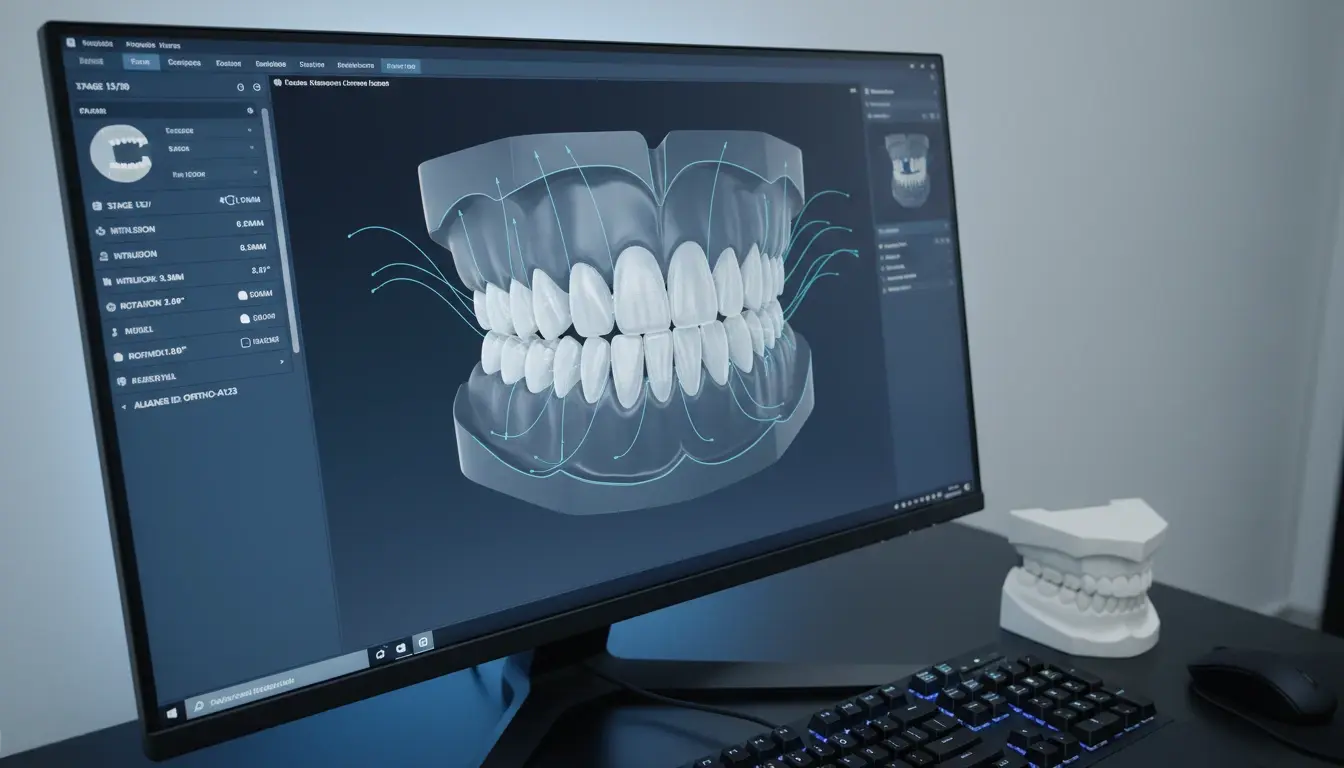
The clear aligner industry is undergoing an AI revolution. Modern treatment planning requires more than manual tooth segmentation — it demands predictive modeling, automated collision detection, and biomechanics simulation.
Specialized OEM clear aligner design & manufacturing providers invest continuously in software upgrades and technician training, Such as BEST SMILE TECH AI clear aligner design platform, they combine AI-driven treatment planning with expert human review, ensuring every case benefits from both computational precision and clinical judgment. This hybrid approach reduces planning errors while accelerating case setup time.
Offshore Outsourcing Partnership: The Strategic Advantage
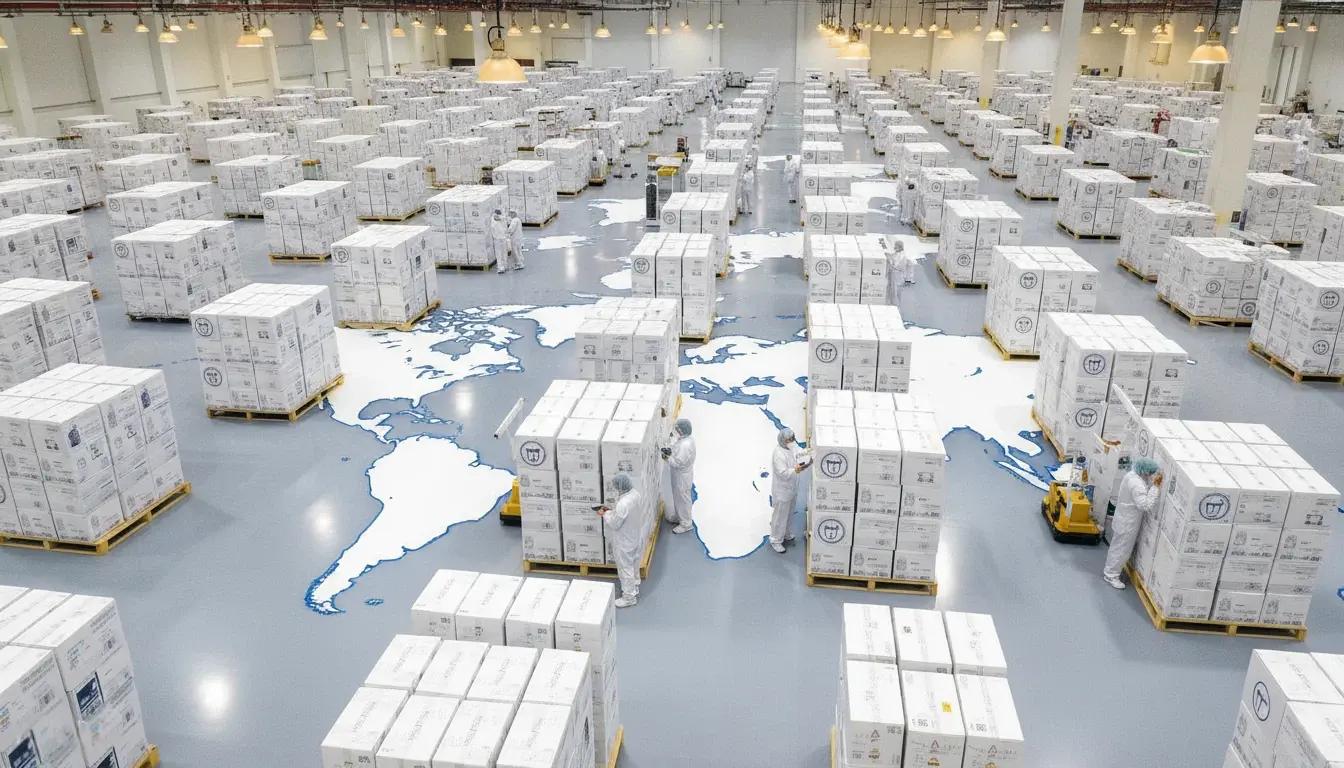
Some dental hubs like Shenzhen has emerged as a global hub for dental technology innovation, with a dense ecosystem of CAD/CAM specialists, 3D printing material scientists, and orthodontic software developers as well as clear aligner designers. Partnering with a Shenzhen-based design service provides access to this talent pool at competitive rates — without the recruitment challenges faced in many Western markets.
When Does an In-House Team Make Sense?
An in-house planning team may be the right choice if:
• Your monthly case volume exceeds 500+ cases, justifying dedicated full-time staff
• You require proprietary treatment protocols or IP protection around planning methodologies
• Your business model depends on real-time clinical iteration with same-day modifications
Even for organizations with internal teams, hybrid models — where routine cases are outsourced and urgent cases kept in-house — are increasingly common as a risk-mitigation strategy.
For most dental practices, orthodontic labs, and emerging aligner brands, outsourcing clear aligner design service offers compelling advantages: lower fixed costs, scalable capacity, access to cutting-edge AI technology, and global talent pools. The key is choosing a partner with robust quality control, clear communication protocols, and clinical expertise that matches your standards.