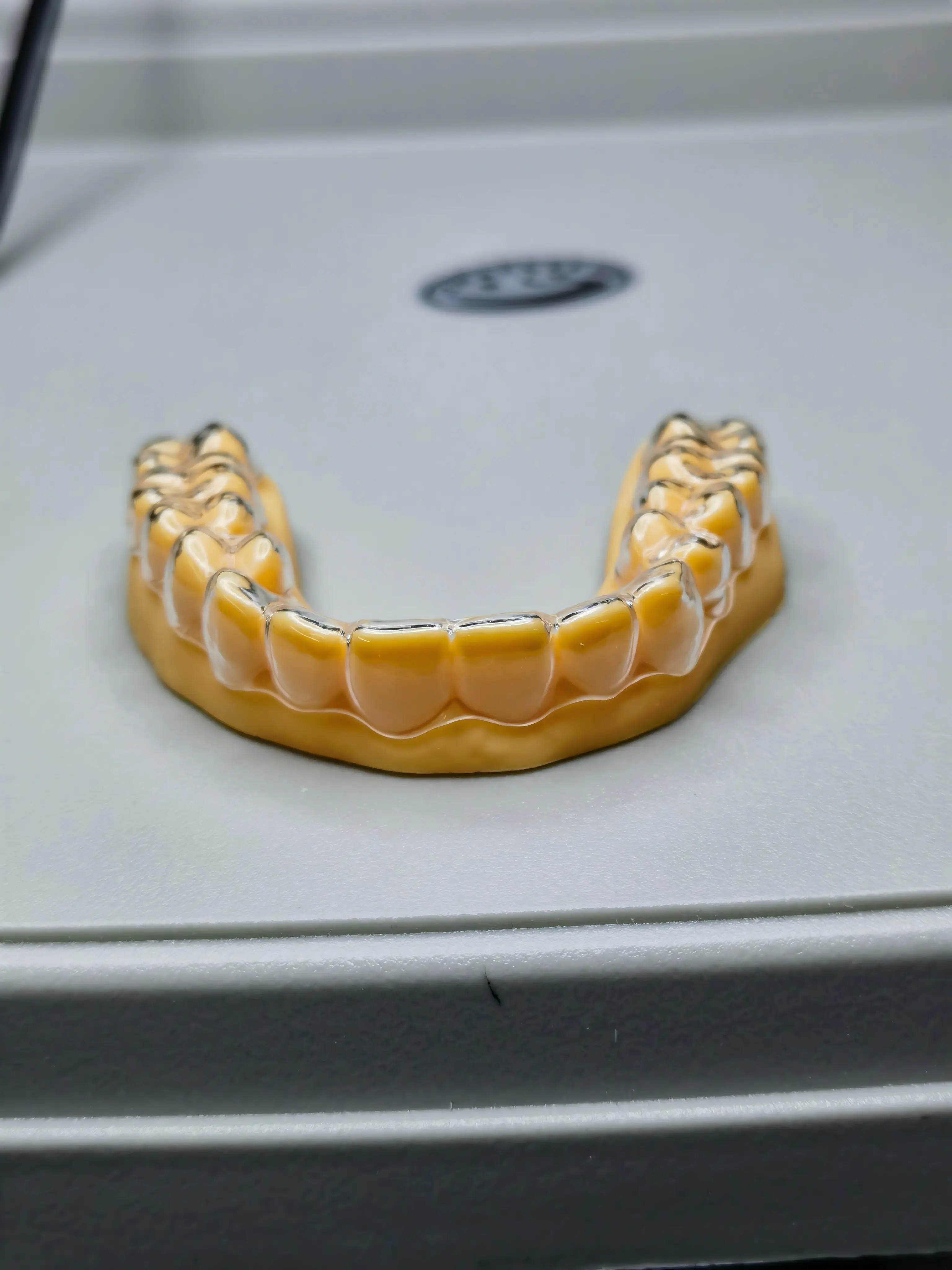
В защиту кап: два аргумента
Клинически подтверждено
Согласно метаанализу, опубликованному в 2023 году в журнале «American Journal of Orthodontics», в подавляющем большинстве случаев прозрачные каппы дают результаты, сопоставимые с результатами лечения с помощью несъемных брекетов, — в том числе при сложных случаях скученности зубов, глубоком прикусе, открытом прикусе и аномалиях прикуса II и III классов.
Три инновации позволили преодолеть прежнее ограничение, согласно которому «несъемные каппы подходят только для простых случаев»:
– Интеллектуальные вложения — элементы из прецизионно склеенной смолы, обеспечивающие контролируемое перемещение и вращение корня
– Гибридные протоколы — временные анкерные винты и сегментные проволочные элементы, интегрированные с выравнивателями для сложных перемещений
– Планирование лечения с использованием искусственного интеллекта — Система машинного обучения, обученная на миллионах случаев, с поразительной точностью прогнозирует перемещение зубов
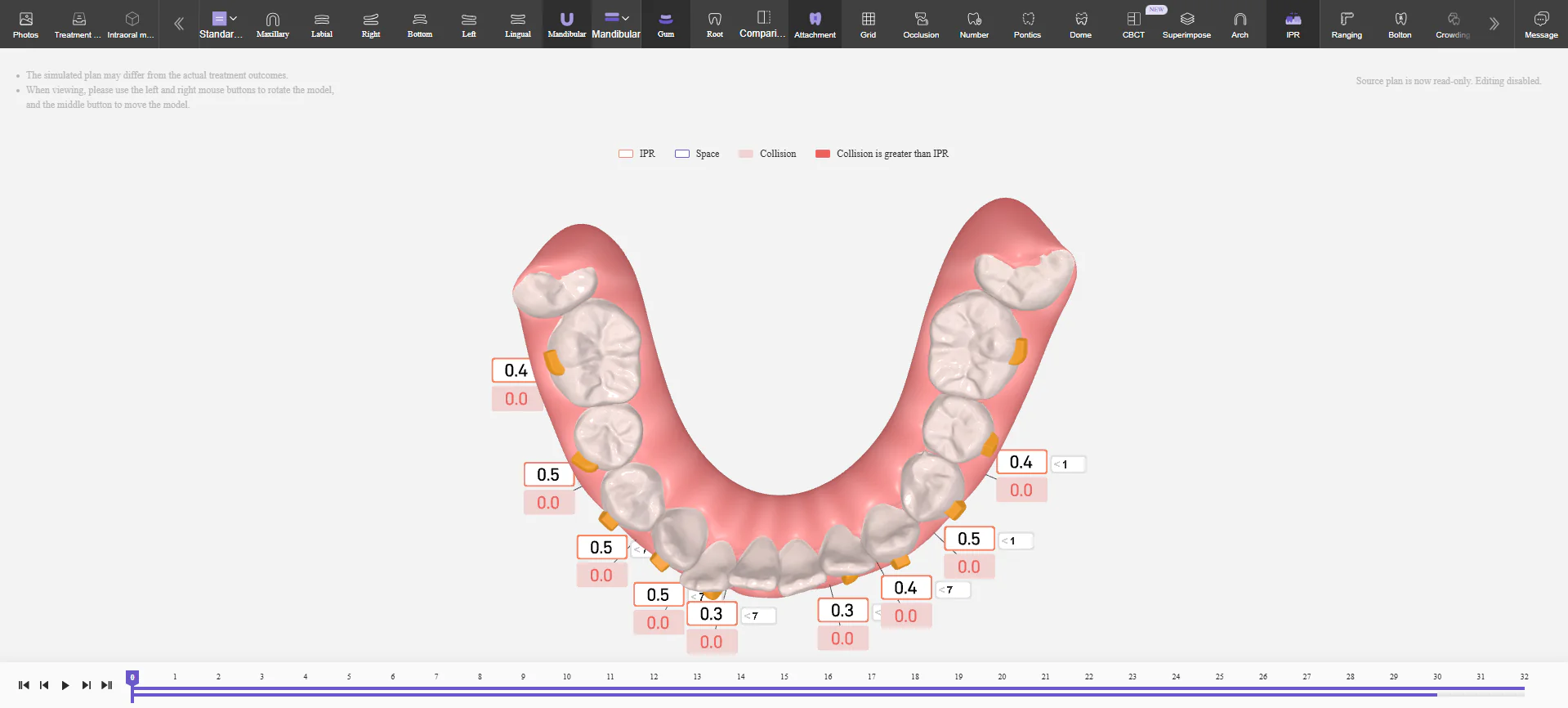
Сегодня опытный специалист может лечить с помощью кап практически любой случай, не требующий хирургического вмешательства.
Впечатления пациентов: здесь и сравнивать нечего
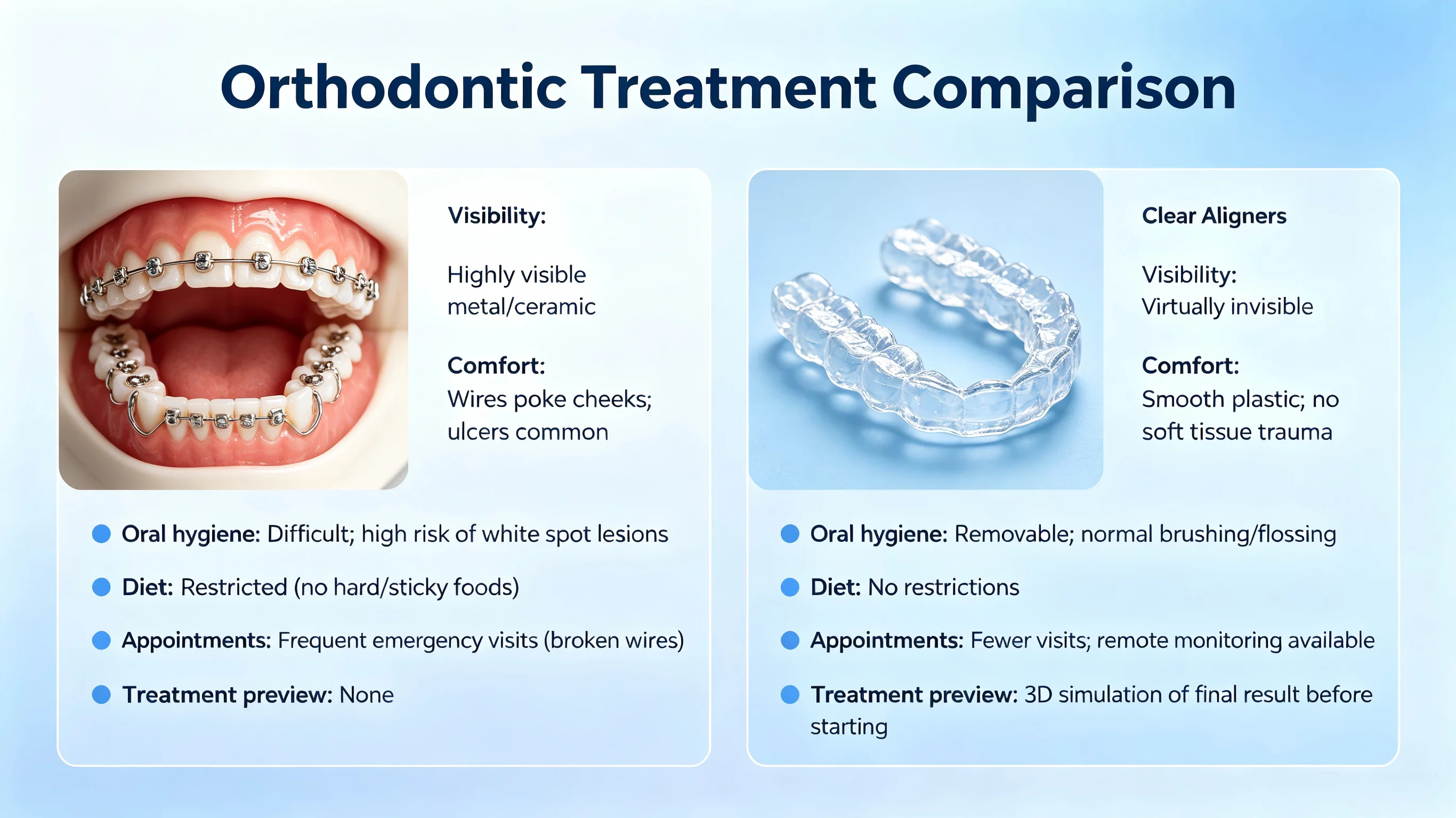
Для взрослых (на сегодняшний день 40%+ пациентов ортодонтов), для подростков, сталкивающихся с давлением со стороны окружающих, и для всех, кто ценит удобство, — каппы не просто немного лучше. Они представляют собой совершенно иную категорию.
Почему брекеты по-прежнему доминируют: 3 препятствия
Если каппы не уступают брекет-системам с клинической точки зрения и превосходят их по удобству использования, почему традиционные брекеты по-прежнему занимают 70% доли на мировом рынке? Это отставание объясняется тремя структурными барьерами:
1. Технология находится на ранней стадии развития
Технология брекетов совершенствовалась на протяжении 120 лет. Прозрачные каппы стали по-настоящему полноценной платформой для лечения лишь в период с 2013 по 2018 год. Десятилетие развития не может за один день перевернуть столетнюю институциональную инфраструктуру. Цифра 70% отражает историю, а не клиническую реальность 2025 года.
2. Реформы в сфере образования продвигаются медленно
Программы резидентуры по ортодонтии — это консервативные учебные заведения. Во многих из них фиксированные аппараты по-прежнему считаются основной частью учебной программы, а каппы — факультативной темой. Ортодонты, окончившие обучение до 2015 года, зачастую получали лишь минимальную формальную подготовку по применению капп.
Стоматологи общего профиля, на долю которых приходится значительная часть случаев лечения по всему миру, сталкиваются с еще более серьезным разрывом. Не имея подготовки в области ортодонтии на уровне резидентуры, многие из них по умолчанию направляют пациентов на установку брекетов, вместо того чтобы самостоятельно вести случаи лечения с помощью кап. Платформы для обучения расширяются, но изменения в стоматологическом образовании происходят с периодичностью в десять лет.
3. Пациенты по-прежнему верят в мифы
Устаревшие представления, в основном унаследованные от ограничений систем выравнивания зубов первого поколения (2000–2010 гг.), по-прежнему влияют на решения пациентов:
Миф: «Алинеры подходят только для простых случаев».
→ Реальность: современные навесное оборудование, вспомогательные механизмы и системы искусственного интеллекта для планирования рутинно справляются со сложными маневрами.
Миф: «Лечение с помощью капп занимает больше времени».
→ Реальность: Продолжительность лечения зависит от сложности случая и соблюдения пациентом рекомендаций, а не от типа аппарата. При правильно спланированном лечении с помощью кап часто удается достичь результатов за тот же срок, что и при лечении брекет-системами, а то и быстрее.
Миф: «Алинеры слишком дорогие».
→ Реальность: цены на ценниках сближаются. Если учесть меньшее количество обращений в неотложную помощь, меньшее количество пропущенных рабочих дней и отсутствие необходимости в специальных средствах гигиены, разница сокращается ещё больше. На конкурентных рынках цены практически не отличаются.
Миф: «Мой друг пробовал носить каппы, но они не помогли».
→ Реальность: Большинство «неудач» связано с неверным подбором пациентов со стороны лечащего врача, недостаточным соблюдением режима лечения со стороны пациента или отсутствием корректировки курса лечения — а не с самой технологией.
«Переломный момент»: почему изменения ускоряются
Три фактора ускоряют процесс перехода:
-Потребности разных поколений. Представители поколений миллениалов и Z ожидают, что лечение будет проходить незаметно. По мере того как они становятся основной группой пациентов и стоматологов, направляющих к ним пациентов, спрос естественным образом меняется.
-Капитал и конкуренция. Миллиарды долларов инвестиций стимулируют стремительные инновации (новые материалы, 3D-печать, планирование с использованием ИИ). В то же время в сфере брекетов наблюдается снижение доходности. Такие конкуренты, как Spark, Angel Aligner, SureSmile и ClearCorrect, также способствуют снижению стоимости и расширению доступности.
-Занимайтесь экономикой. Использование капп-систем обеспечивает более высокую стоимость лечения, сокращение времени пребывания пациента в кресле, уменьшение числа непредвиденных ситуаций и более высокий уровень удовлетворенности пациентов. Сетевые стоматологические организации и групповые практики все чаще внедряют протоколы, в которых приоритет отдается капп-системам, поскольку они обеспечивают более высокую рентабельность лечения.
- Сторонние поставщики оригинального оборудования и местные бренды. Новая волна производителей прозрачных кап под чужими брендами и региональных производителей — включая Kline Europe, Eon dental, Best Smile Tech и растущую экосистему местных брендов — делает эту услугу доступнее и ускоряет просвещение рынка. Предлагая стоматологам настраиваемые и экономичные решения для выравнивания зубов без огромной наценки за бренд, эти OEM-производители расширяют потенциальный рынок и просвещают поставщиков и пациентов в сотрудничестве с уже существующими игроками. Большее количество местных брендов означает больше голосов, рассказывающих потребителям о том, что невидимая ортодонтия — это новый стандарт, что усиливает рост категории за пределы того, чего могла бы достичь какая-либо отдельная компания в одиночку.
Доля рынка традиционных брекетов является запаздывающим показателем — это лишь отражение институциональной инерции, а не клинического превосходства. Обратите внимание: в крупных городах Китая, Южной Кореи и Японии уровень проникновения кап-систем уже достиг 40–50 %.
По нашим прогнозам, доля брекетов на мировом рынке в течение пяти лет снизится ниже 50%. К 2030 году несъемные аппараты, вероятно, будут использоваться лишь в узкой нише — при лечении сложных хирургических случаев, у пациентов с серьезными проблемами соблюдения режима лечения, а также в регионах, не располагающих цифровой инфраструктурой.
Невидимая революция не грядет. Она уже идет.