The Growing Demand for Youth Orthodontics
Among all patient segments, children and adolescents represent the fastest-growing demographic for clear aligners. With malocclusion affecting approximately 56% of youth worldwide, the demand for effective, comfortable, and aesthetically acceptable orthodontic solutions has never been higher.
Clear aligners have consistently ranked as the most attractive and acceptable orthodontic appliance among children aged 9 to 17, according to clinical preference studies.
However, traditional thermoformed aligners come with limitations in precision, production speed, and customization. Enter direct 3D printed aligners — a technological leap that is reshaping what is possible in pediatric and adolescent orthodontic care.
What Are Direct 3D Printed Aligners?
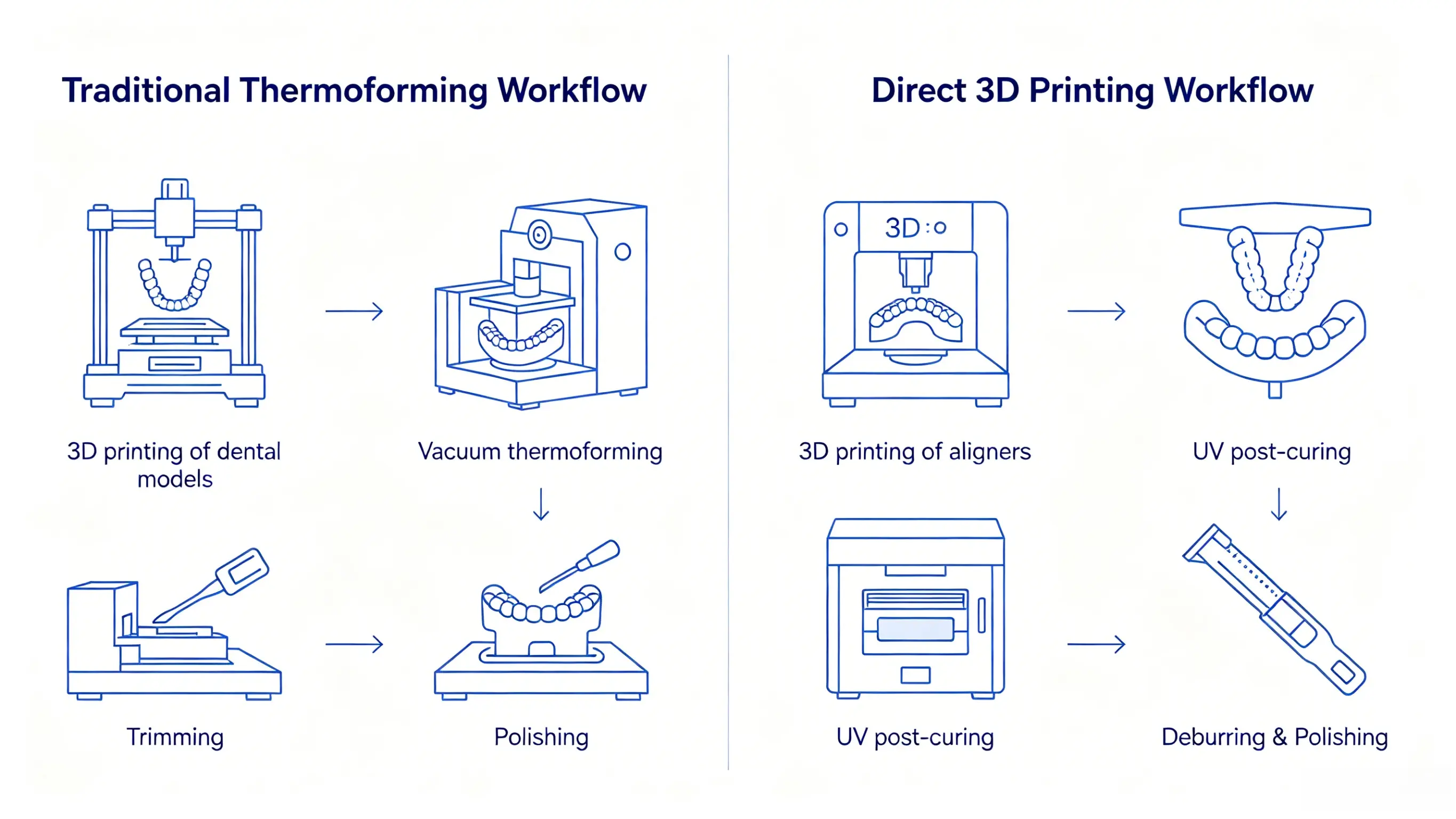
Traditional clear aligners are manufactured through a thermoforming process: a plastic sheet is heated and vacuum-formed over a 3D printed dental model. This indirect method, while effective, introduces cumulative geometric inaccuracies and requires multiple production steps.
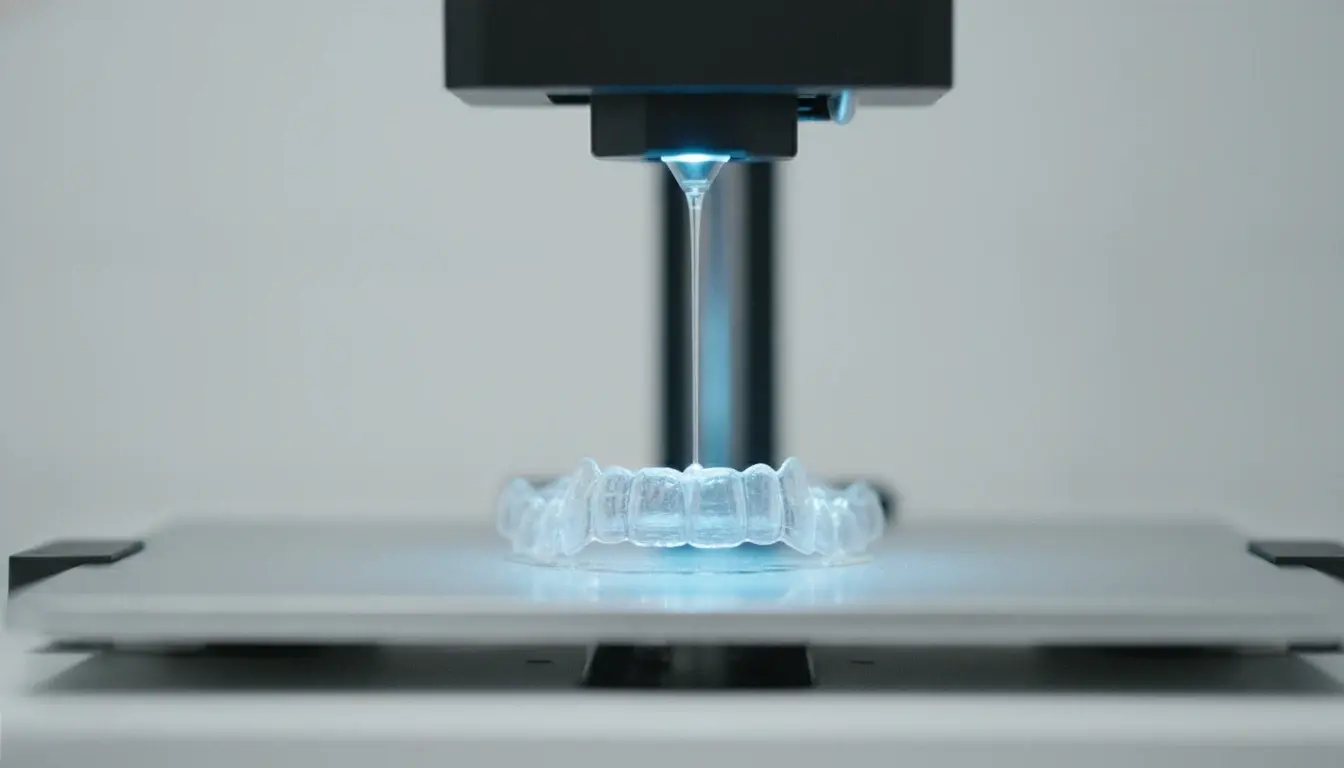
Direct 3D printing eliminates the need for dental models entirely. Using advanced photopolymer resins specifically developed for orthodontic applications, aligners are printed layer by layer through Digital Light Processing (DLP) or Stereolithography (SLA) technologies. The digital scan data goes straight from the intraoral scanner to the 3D printer, creating a seamless digital workflow with significantly reduced turnaround time.
Why Children and Adolescents Are a Unique Market
Young patients are not simply “small adults” when it comes to orthodontic treatment. Their dentition is in constant transition — primary teeth exfoliating, permanent teeth erupting, and jaw structures actively growing.
These dynamic conditions demand orthodontic appliances that offer exceptional precision, rapid adjustability, and high compliance.
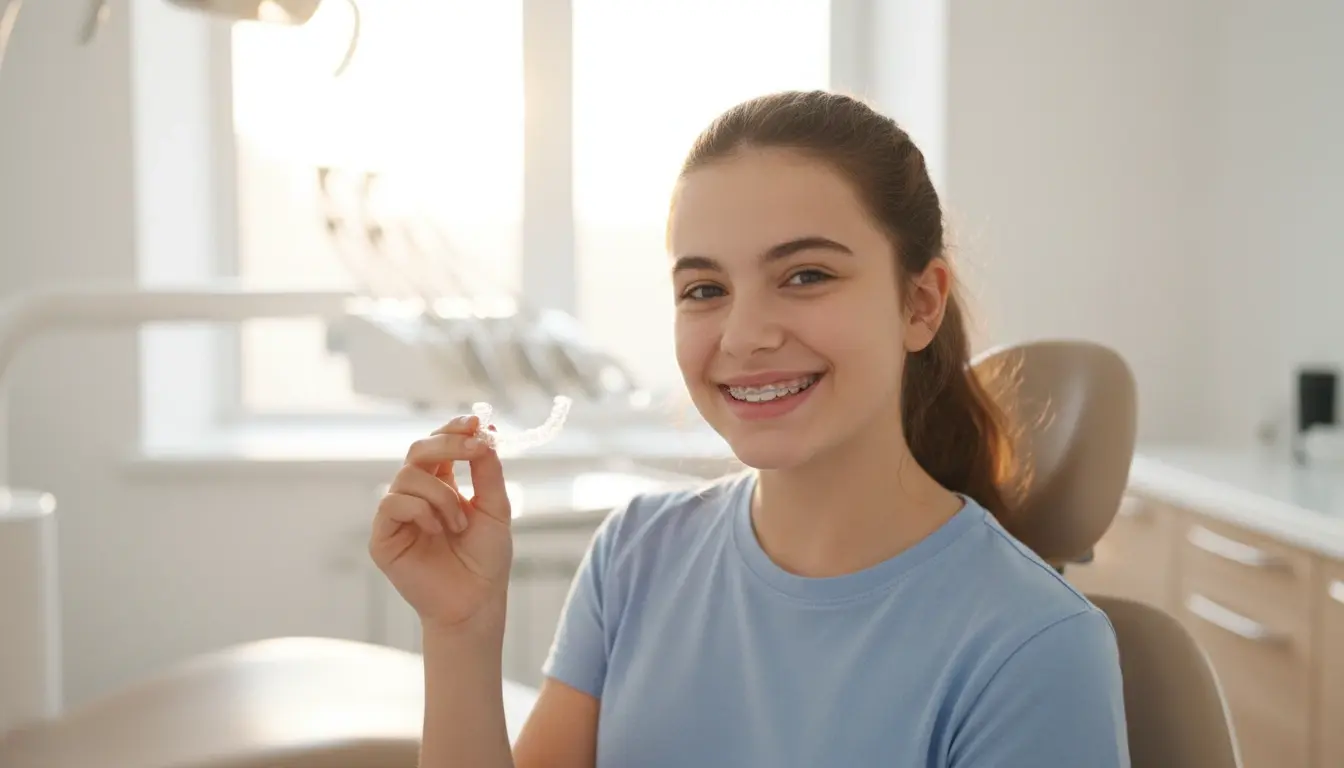
Aesthetics and comfort are paramount for this age group. Research shows that clear aligners rank highest in attractiveness among all orthodontic appliances for patients aged 12 to 17. Teenagers are particularly sensitive about their appearance during socially formative years, making near-invisible treatment options highly desirable. Additionally, the removability of aligners supports better oral hygiene — a critical factor for younger patients who may struggle with cleaning around fixed braces.
Direct 3D printing addresses these needs by enabling faster production of replacement aligners (essential when aligners are lost or damaged) and allowing for mid-treatment design modifications to accommodate unexpected tooth eruptions or growth changes.
Key Technical Advantages of Direct 3D Printing
The shift from thermoforming to direct printing brings several clinically significant benefits:
• Superior Fit Accuracy:Direct printing eliminates the geometric distortion introduced by the thermoforming process, resulting in aligners that match the digital design with exceptional precision — critical for controlling tooth movement in developing dentitions.
• Customized Thickness and Force:Unlike thermoformed aligners with uniform thickness, 3D printed aligners can vary material thickness across different tooth surfaces, optimizing force delivery for specific movements while improving comfort.
• Faster Turnaround:By bypassing model printing and thermoforming steps, direct printing reduces production time by 30-50%, allowing practices to deliver aligners sooner and replace lost trays within days.
• Sustainable Manufacturing:Direct printing generates significantly less material waste than thermoforming, aligning with the growing emphasis on environmentally responsible healthcare practices.
The Digital-First Workflow
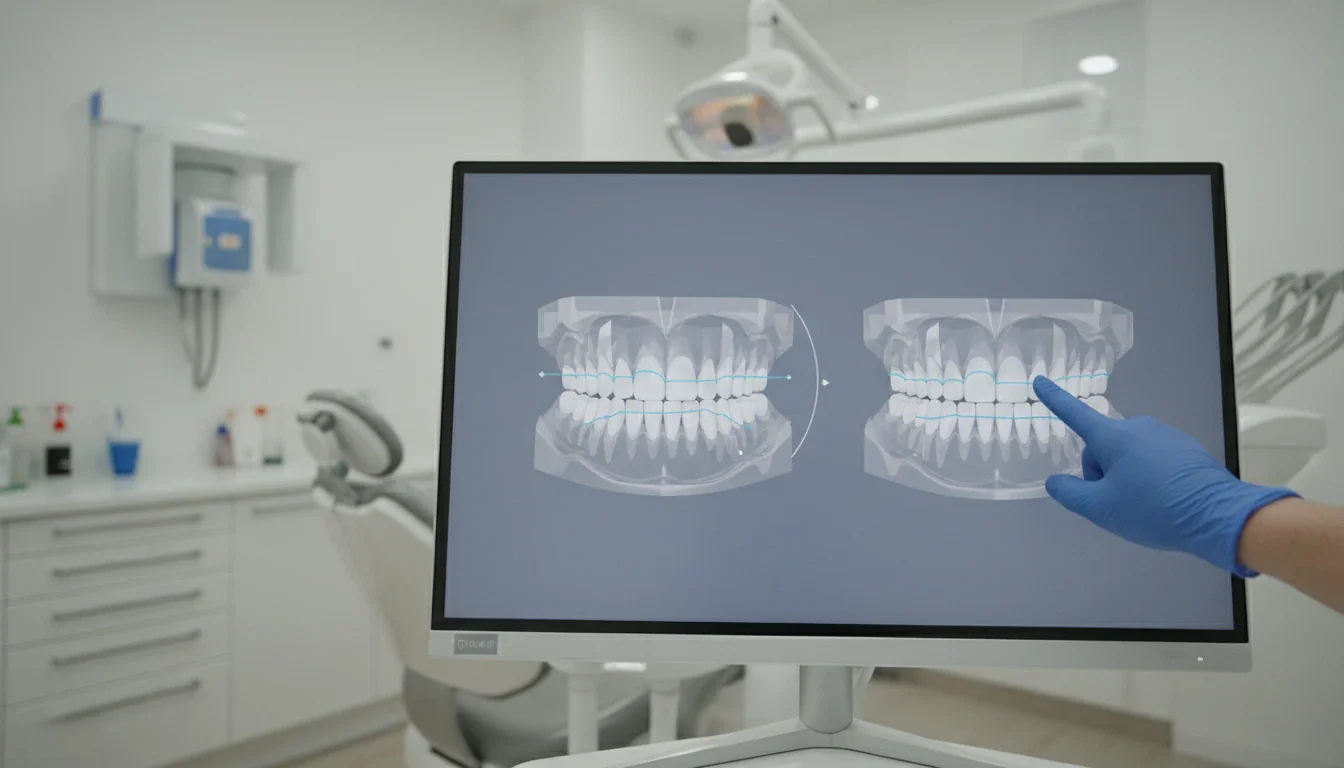
The direct 3D printing workflow is inherently digital from start to finish. The process begins with an intraoral 3D scan, which captures the patient’s dentition with sub-millimeter accuracy. Orthodontic treatment planning software then simulates tooth movements stage by stage.
For pediatric patients, this digital approach offers unique advantages. Treatment plans can be easily modified between appointments to accommodate erupting permanent teeth or growth-related changes. AI-powered monitoring apps allow orthodontists to track patient progress remotely, reducing the number of in-office visits — a convenience that busy parents and school-age patients greatly appreciate.
Leading companies in the space, including Align Technology and regional innovators, are investing heavily in direct printing capabilities. Industry data indicates that the 3D printed clear aligner market is expected to reach $7.2 billion by 2032, with the pediatric and teen segment driving a substantial portion of this growth.
Challenges and Future Outlook
Despite its promise, direct 3D printed aligners face several challenges. Material development remains an active area of research — printable resins must achieve the same biocompatibility, mechanical strength, and optical clarity as thermoformed materials. Long-term clinical data tracking treatment outcomes with direct-printed aligners is still accumulating.
For complex malocclusions in younger patients, particularly those requiring significant vertical or rotational movements, fixed appliances may still offer more predictable results. The hybrid approach — starting with braces for major corrections and transitioning to aligners for refinement — is increasingly popular for these cases.
Looking ahead, advances in printable materials, AI-driven treatment optimization, and chairside 3D printing technology will likely make direct-printed aligners the standard of care across all patient demographics. For orthodontists serving children and teens, now is the time to evaluate how this technology can enhance practice efficiency and patient satisfaction.
Direct 3D printed clear aligners represent a paradigm shift in orthodontic manufacturing, offering superior precision, faster production, and enhanced customization compared to traditional thermoformed methods. For the rapidly growing pediatric and adolescent market, these advantages translate into better clinical outcomes, improved patient experience, and more efficient practice workflows.
As material science advances and clinical evidence continues to build, direct 3D printing is poised to become the dominant method of aligner production. Orthodontic practices that adopt this technology early will be best positioned to meet the evolving expectations of their youngest patients and their families.