
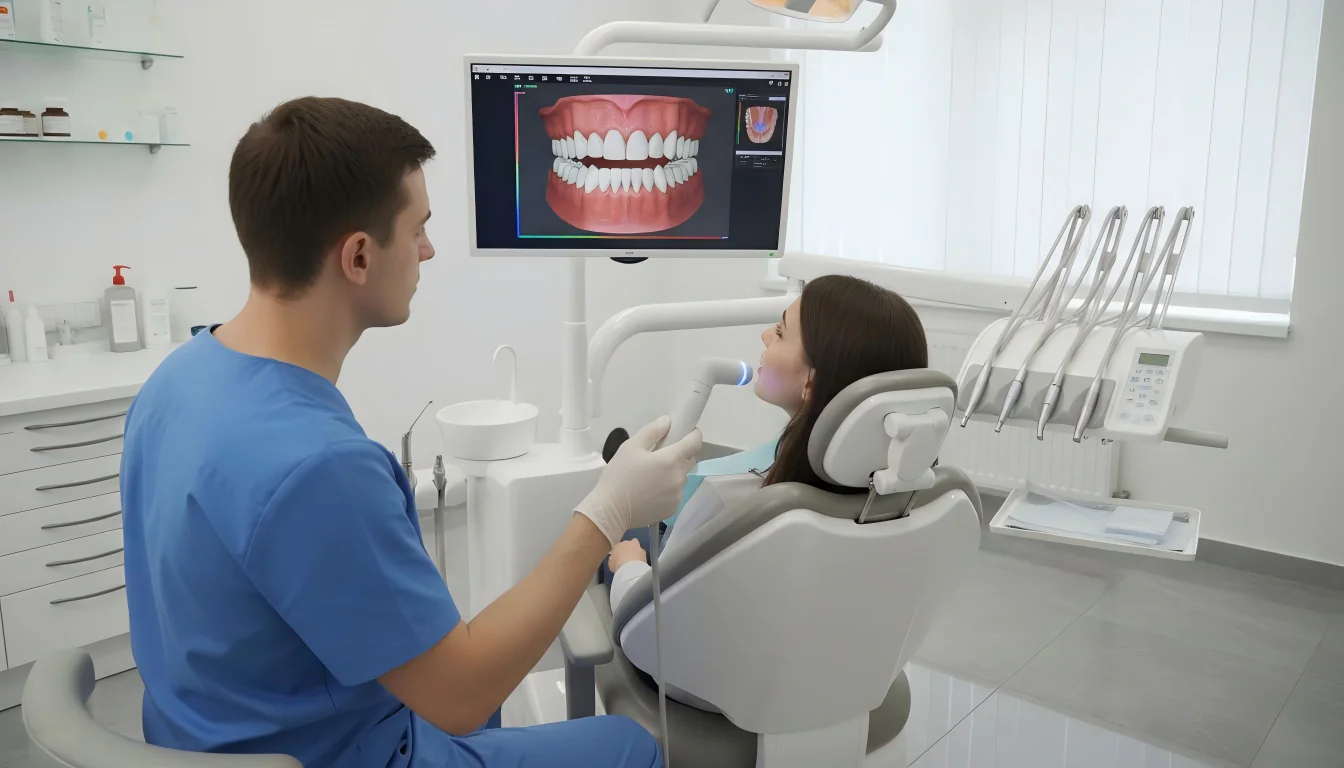
Muitos consultórios dentários investiram em scanners intraorais, mas foram relativamente poucos os que integraram totalmente a produção de alinhadores transparentes no local do tratamento nos fluxos de trabalho clínicos diários. Porquê?
A promessa dos alinhadores transparentes fabricados no consultório sempre foi atraente: prazos de execução mais rápidos, custos mais baixos, maior controlo sobre o tratamento e uma melhor experiência para o doente. O equipamento evoluiu significativamente. Os scanners são mais rápidos e precisos do que nunca. As impressoras 3D são fiáveis, acessíveis e capazes de produzir alinhadores de alta qualidade com materiais validados. No entanto, a sua adoção continua a ser desigual em todo o setor.
O maior obstáculo não é o scanner. Não é a impressora. E não é o material. O verdadeiro obstáculo é o fluxo de trabalho do software e a experiência humana necessária entre a digitalização e o alinhador final.
O estrangulamento do CAD: quando os alinhadores de uso no consultório chegam ao limite
O hardware atingiu a maturidade. A qualidade de impressão é excelente. Os materiais são mais rápidos, mais resistentes e mais comprovados do que nunca. No entanto, o fluxo de trabalho de software entre a digitalização e a impressão continua a exigir um nível de competência em design, confiança e investimento de tempo que muitos clínicos simplesmente não possuem.
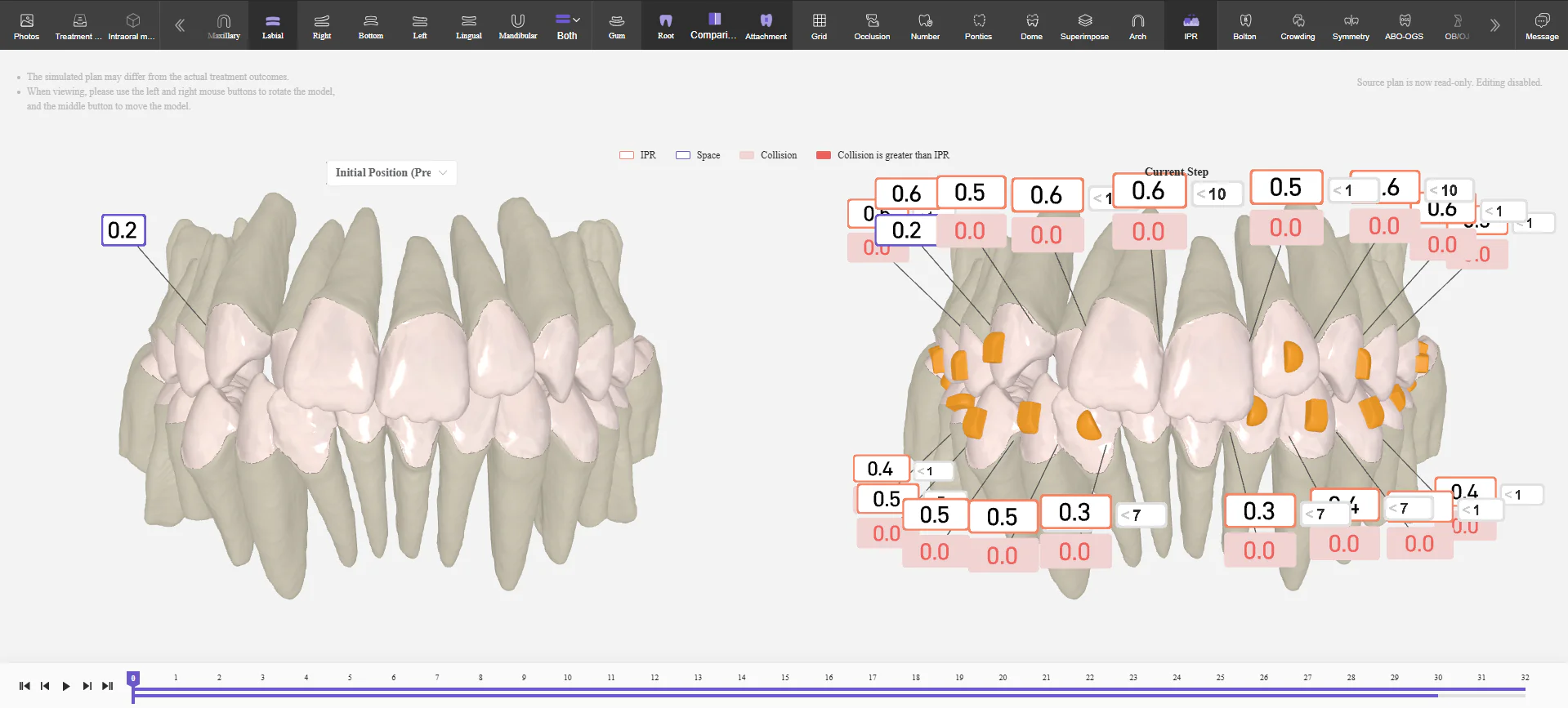
O software atual de conceção de alinhadores transparentes exige que os clínicos se tornem especialistas em CAD. Têm de segmentar manualmente os dentes, planear os movimentos dentários fase a fase, conceber as geometrias dos acessórios e validar todo o plano de tratamento — tudo isto enquanto gerem a sua carga de trabalho clínica. Esta complexidade cria uma curva de aprendizagem acentuada que desmotiva até mesmo os profissionais com conhecimentos tecnológicos a adotarem plenamente a produção de alinhadores na própria consulta.
Onde a IA poderá alterar radicalmente a equação
É aí que a IA poderá alterar radicalmente a equação — e é por isso que estamos otimistas quanto à próxima fase da ortodontia digital.
A verdadeira oportunidade não reside apenas em melhorar as impressoras ou acelerar a produção dos materiais. Consiste em eliminar a complexidade entre a digitalização e a aplicação final. À medida que as ferramentas de design baseadas em IA se tornam mais automatizadas, intuitivas e com maior conhecimento clínico, as barreiras à criação de alinhadores transparentes diminuem drasticamente.
Imagine um fluxo de trabalho em que:
• A IA segmenta automaticamente os dentes com precisão clínica
•Algoritmos inteligentes propõem trajetórias ótimas de movimento dentário com base em princípios biomecânicos
•Os projetos dos acessórios são gerados automaticamente para uma transmissão ideal da força
•O médico limita-se a rever, aprovar e enviar para impressão
No momento em que os médicos deixarem de precisar de se tornar especialistas em CAD para obter resultados de alta qualidade com os alinhadores, a utilização aumentará — e será então que os números relativos à adoção desta tecnologia começarão finalmente a ter significado.
O elemento humano: por que razão o software, por si só, não é suficiente
Embora o software de conceção baseado em IA seja fundamental, representa apenas metade da equação. Mesmo as ferramentas de IA mais sofisticadas requerem supervisão humana, discernimento clínico e apoio fiável quando surgem casos complexos. É aqui que uma equipa de serviços de planeamento de tratamento fiável se torna indispensável.
Os profissionais de saúde precisam de mais do que software — precisam de uma parceria. Uma equipa de confiança especializada em serviços de conceção de alinhadores transparentes, também conhecidos como serviços de planeamento de tratamento, fornece orientação clínica sobre movimentos complexos, ajuda a resolver casos difíceis e transmite confiança aos profissionais que se aventuram pela primeira vez na produção de alinhadores no consultório.
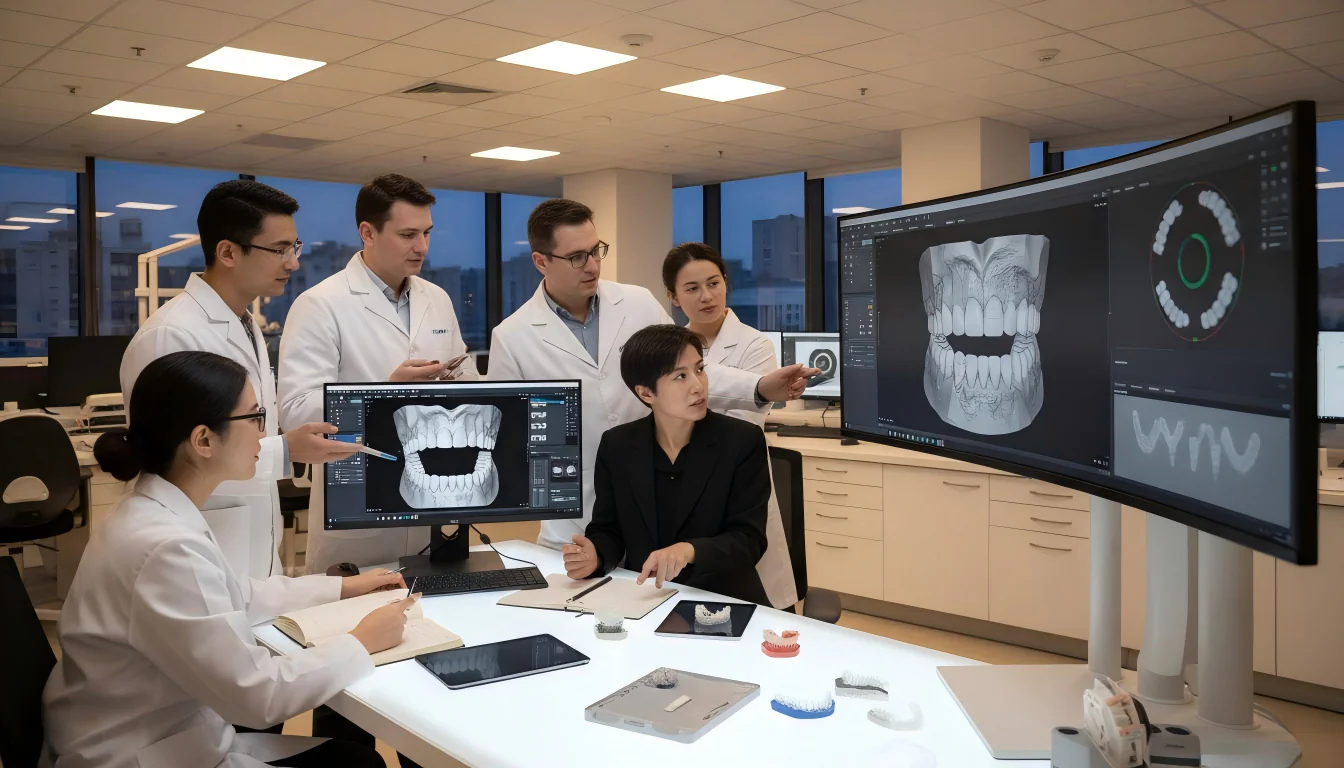
Os consultórios que obtêm sucesso com os alinhadores dentários não são necessariamente aqueles que dispõem do equipamento mais caro. São aqueles que têm acesso tanto a ferramentas de IA poderosas como a equipas de apoio especializadas, que os ajudam a superar a curva de aprendizagem e a ganhar confiança ao longo do tempo.
Como é, na realidade, a integração total
A verdadeira adoção dos alinhadores transparentes no consultório significa que a produção digital dos alinhadores está perfeitamente integrada no fluxo de trabalho clínico — não sendo tratada como um projeto especial ou uma tarefa para o fim de semana. Significa que:
Fluxos de trabalho otimizados
A entrega de alinhadores no próprio dia ou no dia seguinte torna-se a norma, e não uma exceção
Confiança Clínica
Os profissionais de saúde confiam na sua capacidade de conceber e produzir alinhadores de qualidade de forma consistente
Apoio especializado
Uma equipa de planeamento fiável presta apoio em casos complexos e garante a qualidade
Resultados previsíveis
A conceção assistida por IA garante resultados clínicos consistentes e fiáveis, caso após caso
O Caminho a Seguir
Estamos num ponto de viragem na ortodontia digital. O equipamento está pronto. Os materiais estão validados. O que falta é a ponte entre a intenção clínica e a execução digital — uma combinação de software inteligente de IA que automatiza o complexo trabalho de conceção e uma equipa humana de confiança que forneça os conhecimentos especializados e o apoio de que os clínicos necessitam para ter sucesso.
As empresas que resolverem ambas as peças deste quebra-cabeças — uma poderosa automação do design baseada em IA, aliada a um apoio acessível e ágil no planeamento do tratamento — serão as que, finalmente, permitirão a adoção generalizada dos alinhadores transparentes no consultório.
O futuro dos alinhadores transparentes não se resume apenas a uma tecnologia melhor. Trata-se de tornar essa tecnologia acessível a todos os profissionais que pretendam proporcionar aos seus pacientes um tratamento ortodôntico mais rápido e mais acessível. Quando a IA lidar com a complexidade e os especialistas humanos garantirem a segurança, os alinhadores transparentes realizados no consultório tornar-se-ão finalmente uma realidade prática para consultórios de todas as dimensões.