
The global clear aligner market has grown rapidly over the past decade, driven by increasing patient demand for aesthetic orthodontic solutions. For traditional orthodontic resellers who have built their business on brackets, wires, and auxiliary products, adding clear aligners represents a significant opportunity to expand revenue streams and strengthen client relationships.
However, entering the clear aligner space requires more than simply sourcing products. Success depends on choosing the right manufacturing partner, understanding treatment planning quality, and ensuring your supply chain can deliver consistent clinical outcomes. This guide outlines the key steps traditional orthodontic resellers should consider when integrating clear aligners into their existing product portfolio.
1. Understand the Clear Aligner Market Opportunity
The clear aligner market has experienced double-digit annual growth, with industry estimates suggesting the global market could reach approximately $8–10 billion by 2027 [data source: industry consensus]. This growth is fueled by rising consumer preference for removable, nearly invisible orthodontic treatment options and expanding adoption among general dentists and orthodontists alike.
For resellers, this translates into a recurring revenue opportunity. Unlike one-time bracket sales, clear aligner cases generate ongoing orders throughout each treatment plan, typically spanning 6–18 months. Additionally, the digital workflow — from intraoral scanning to remote monitoring — aligns with modern practice trends, making it easier for your existing customers to adopt.
2. Choose an Experienced OEM Clear Aligner Manufacturer
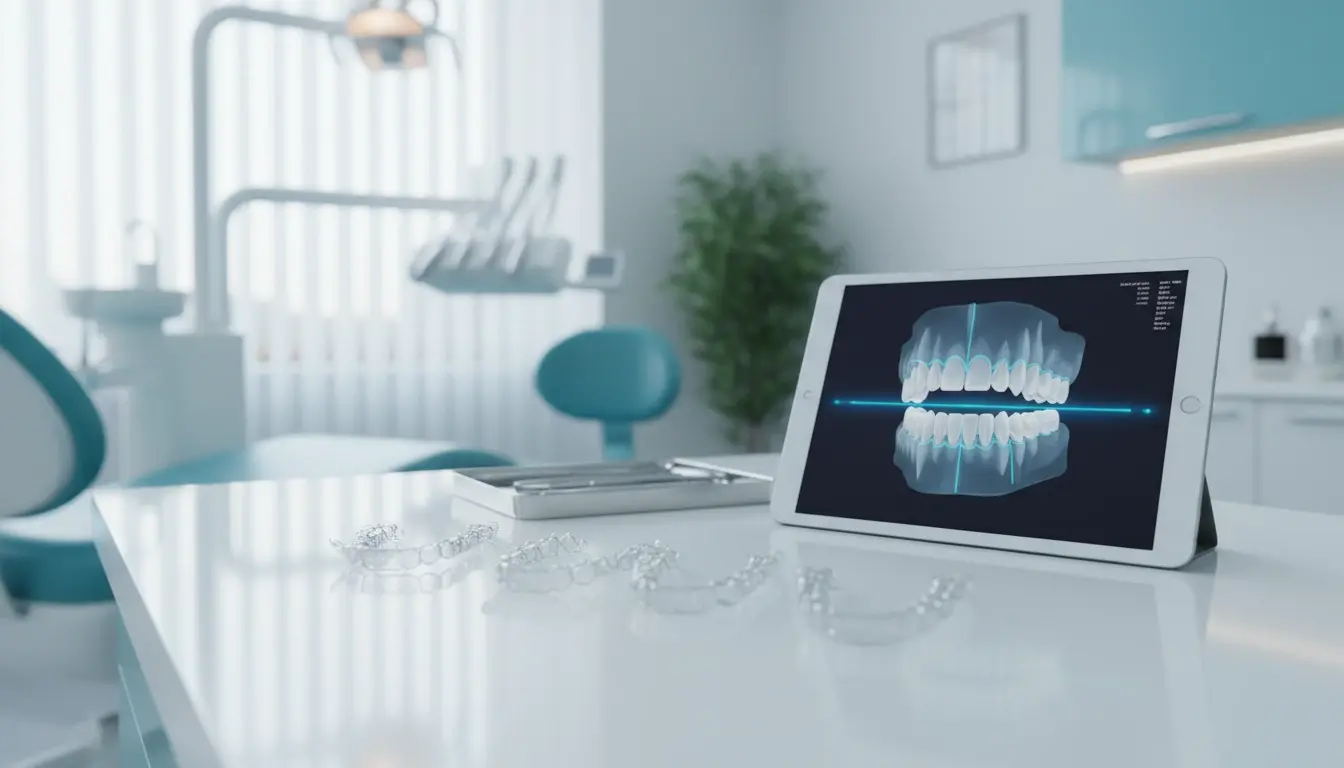
Selecting the right OEM partner is arguably the most critical decision in your clear aligner venture. An experienced clear aligner manufacturer brings not only production capacity but also regulatory compliance expertise, quality management systems, and clinical validation that would take years to develop independently.
When evaluating potential partners, look beyond pricing. Assess their track record in the industry: How long have they been manufacturing OEM clear aligners? Do they hold relevant certifications such as ISO 13485 and FDA registration for custom clearance? Can they provide references from other distribution partners? A mature manufacturer should demonstrate consistent material quality, reliable turnaround times, and a scalable production infrastructure that can grow with your business.
Equally important is the manufacturer’s willingness to support your brand. Private-label and co-branding opportunities allow you to build brand equity in the clear aligner space while leveraging your partner’s manufacturing expertise.
3. Treatment Planning Quality Depends on Experienced Teams
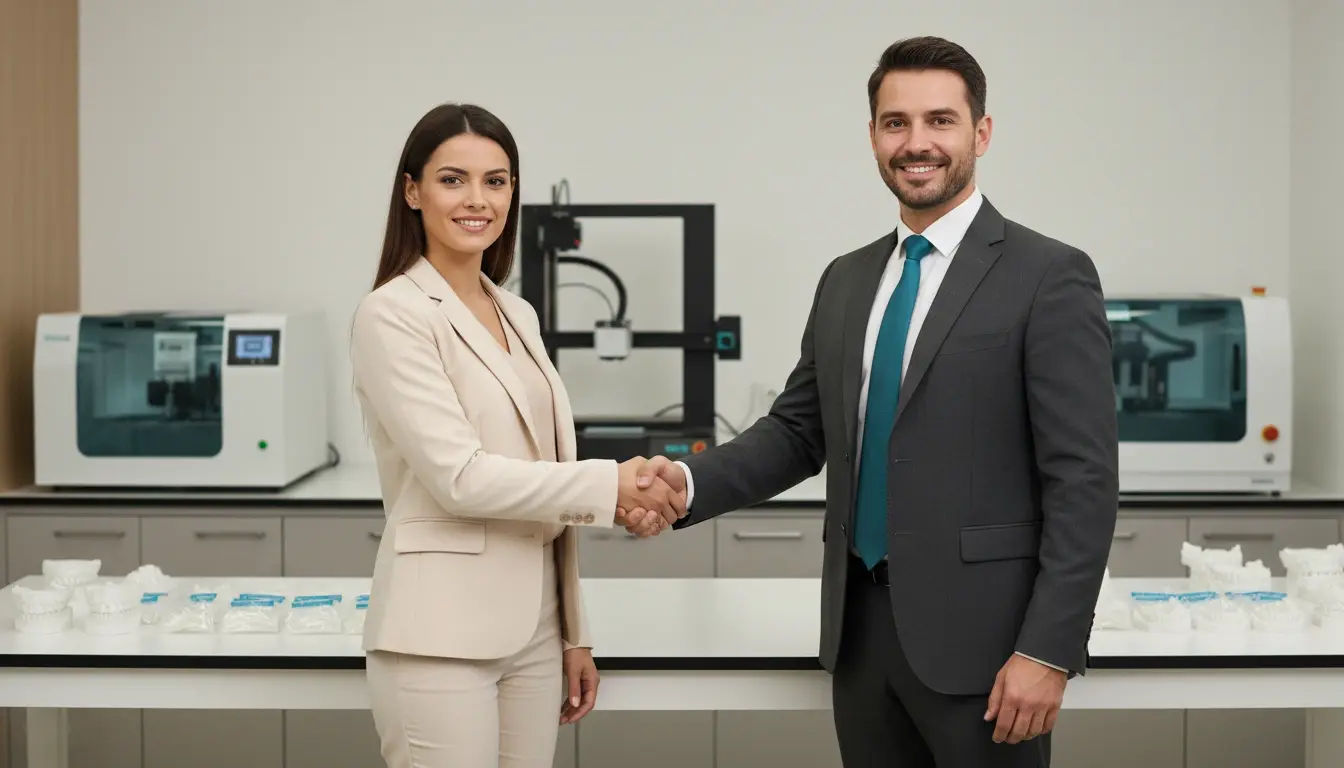
Clear aligner treatment planning is where clinical outcomes are determined. Even the most precisely manufactured aligner cannot compensate for a poorly designed treatment plan. This is why the expertise of your partner’s planning team matters enormously.
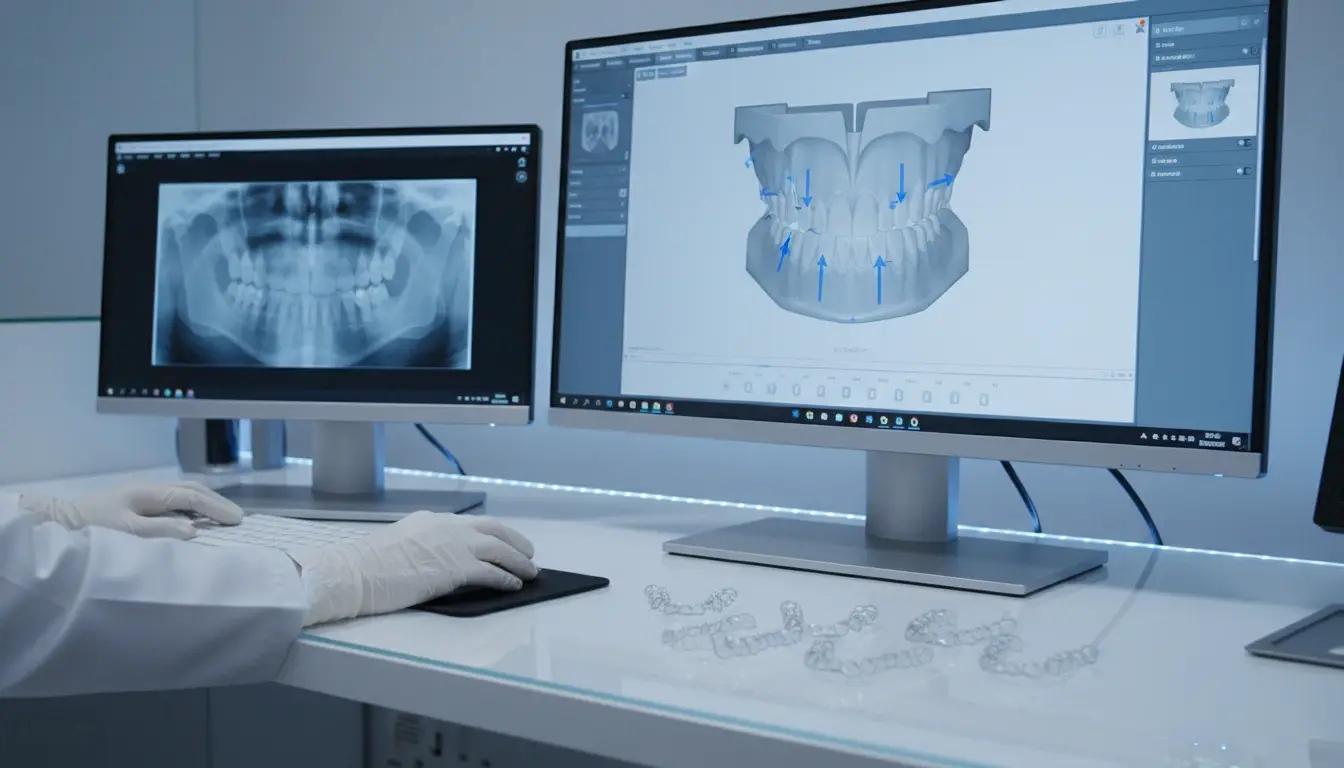
Experienced treatment planning teams — typically led by orthodontists or dental specialists — understand biomechanical limitations, attachment optimization, and staging protocols that software alone cannot replicate. When assessing a potential partner, inquire about their planning team’s qualifications, case review processes, and revision policies.
A well-structured planning service should include: comprehensive case assessment by qualified dental professionals, realistic treatment outcome projections, clear communication channels for case modifications, and clinical support for complex cases. These elements directly impact patient satisfaction and, by extension, your reputation as a reseller.
Prioritize teams in the United States, tier-1 Chinese cities(Beijing, Shanghai, Shenzhen, Guangzhou), and Western Europe for high-end, complex treatment planning.
4. Evaluate Manufacturing Quality and Technology
Manufacturing quality in clear aligners is determined by three core factors: material science, fabrication technology, and quality control processes. The medical-grade thermoplastic materials used must balance transparency, strength, and elastic recovery to generate consistent orthodontic forces throughout the wear cycle.
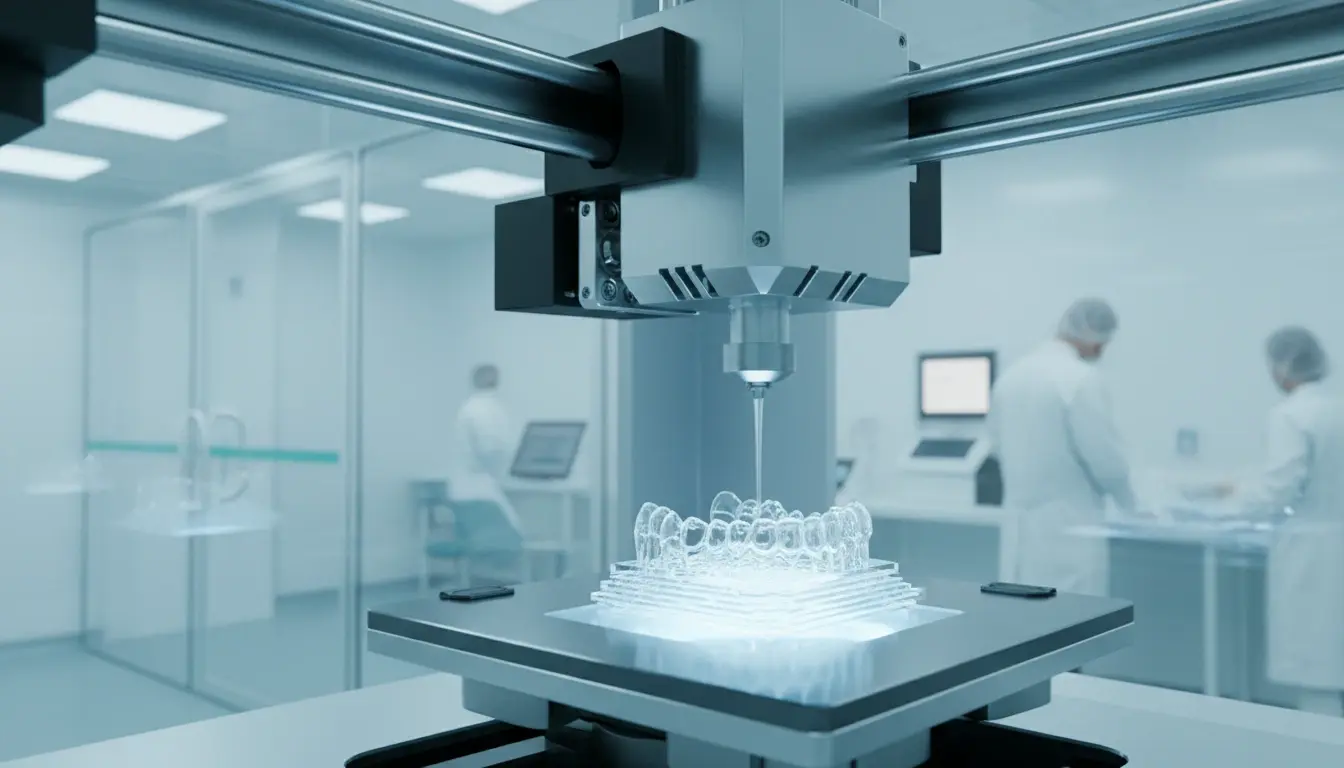
Most established clear aligner manufacturers employ a combination of 3D printing for model fabrication and precision thermoforming for aligner production. Each approach has its merits: 3D printing offers exceptional model accuracy and design flexibility, while thermoforming produces reliable, clinically validated results when executed with properly controlled temperature and pressure parameters. Rather than viewing these technologies as competing approaches, leading manufacturers integrate both to optimize different aspects of production.
Quality control should include dimensional accuracy verification, force testing, biocompatibility validation, and visual inspection at multiple production stages. Request documentation of your partner’s quality management protocols and defect rate data before committing to a long-term partnership.
Most OEM clear aligner manufacturers in China, Western Europe, and North America have invested in automatic or semi-automatic production lines, making their mass production quality more reliable and consistent.
Adding clear aligners to your traditional orthodontic product line is a strategic move that can diversify revenue, deepen customer relationships, and position your business for the future of orthodontics. Success in this transition requires careful partner selection — prioritizing manufacturing experience, treatment planning expertise, and robust quality systems over cost savings alone.
By partnering with an established OEM clear aligner manufacturer that values clinical quality as much as production efficiency, you can enter this growing market with confidence and build a sustainable competitive advantage.