
The clear aligner market has experienced explosive growth over the past decade, with the global orthodontic aligners market projected to reach unprecedented heights. For emerging brands, established dental companies expanding their product lines, or DSOs looking to develop private-label aligner systems, selecting the right OEM manufacturing partner is one of the most consequential strategic decisions you will make.
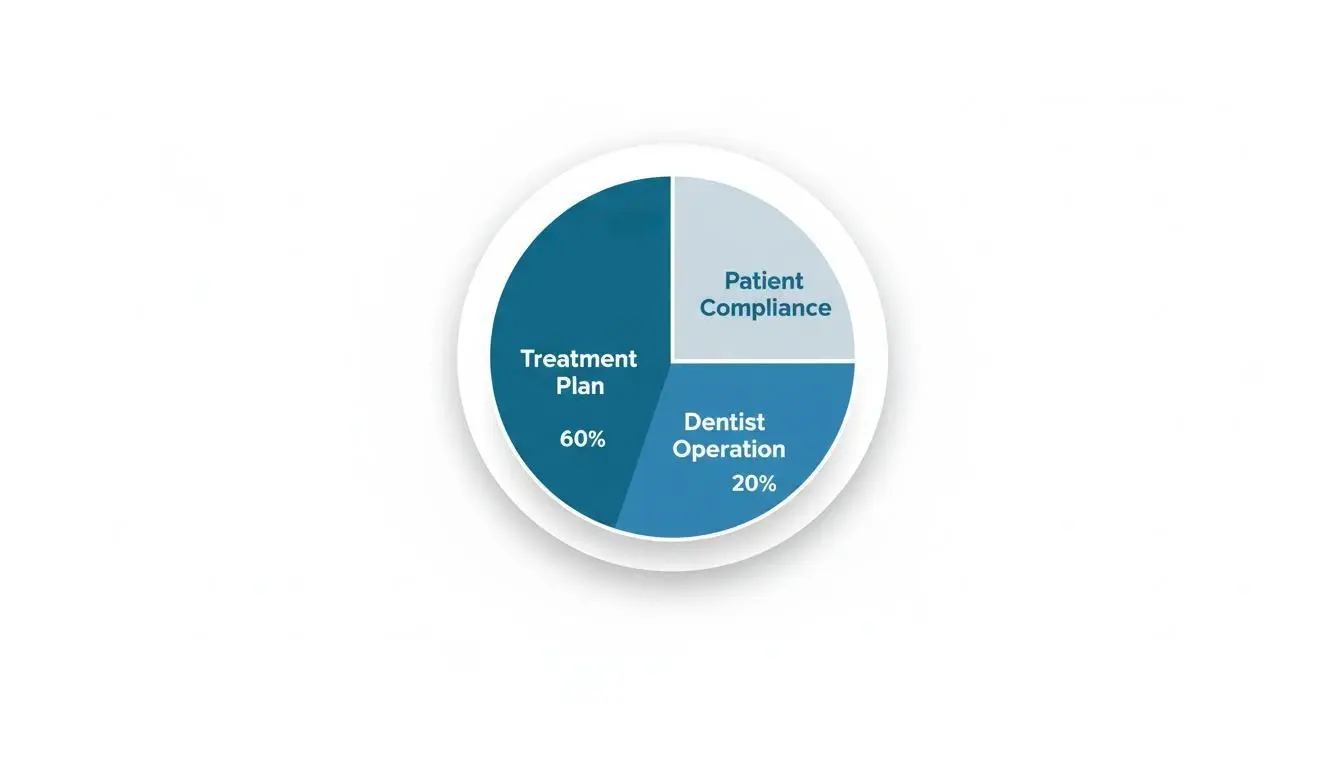
This decision becomes even more critical when you understand what truly drives treatment success. Research and clinical experience consistently demonstrate that clear aligner treatment effectiveness depends on three core factors: the treatment plan accounts for approximately 60% of outcomes, dentist operation contributes 20%, and patient compliance makes up the remaining 20%. This distribution reveals an essential truth — the manufacturing partner’s design capability fundamentally determines clinical success.
1. Clear Aligner Design Scalability and Quality
The treatment plan represents the intellectual core of clear aligner therapy. It encompasses biomechanical simulation, tooth movement staging, attachment design, and refinement protocols. When evaluating an OEM partner, their design capability should be your primary focus because it directly impacts that critical 60% of treatment outcomes.
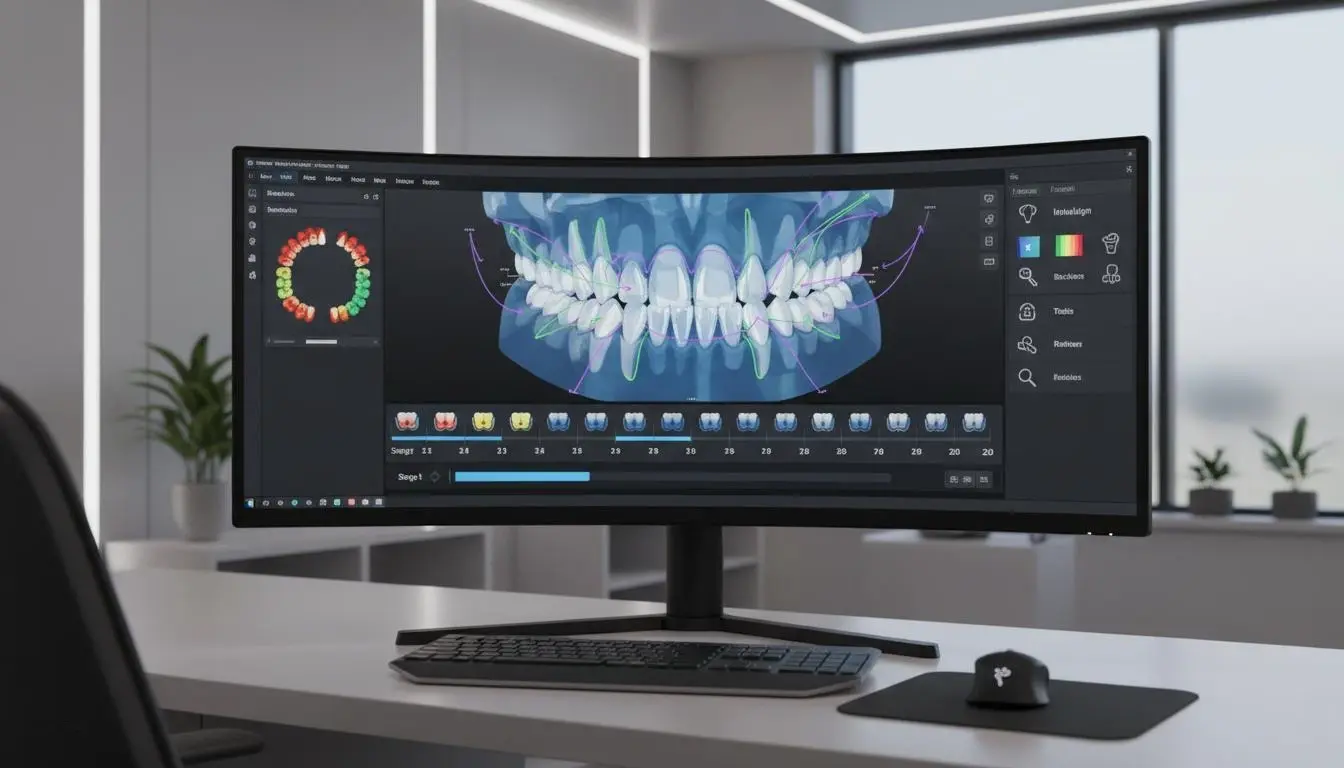
Design scalability refers to the manufacturer’s ability to maintain consistent planning quality as case volume increases. A partner capable of handling 100 cases monthly may struggle with 10,000. Assess their software infrastructure, the qualifications of their planning team, turnaround times, and quality assurance protocols for treatment plans.
Key questions to ask potential partners: What CAD/CAM platforms do they utilize? Do they employ certified orthodontic specialists for case review? What is their revision rate for treatment plans? How do they handle complex cases involving extraction, intrusion, or significant rotation? The answers will reveal whether their design capability can scale with your growth while maintaining the precision that determines clinical outcomes.
2. Mass Production Scalability and Quality
While design capability drives clinical outcomes, manufacturing quality directly impacts the patient experience. Manufacturing quality encompasses material consistency, trimline precision, thickness uniformity, surface finish, and packaging integrity. These factors determine wearing comfort, aesthetic appearance, and the overall quality feeling patients perceive when handling their aligners.
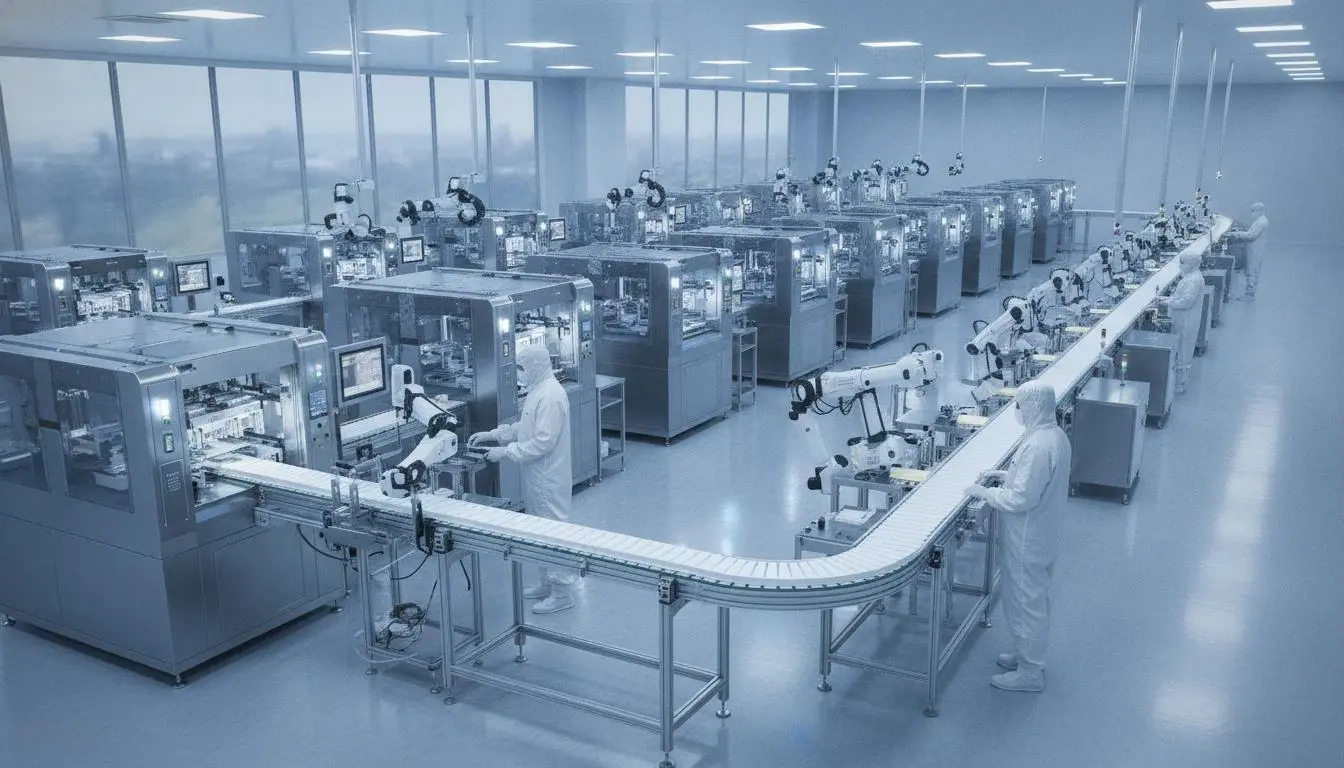
Mass production scalability becomes particularly important for larger clear aligner brands and those planning aggressive expansion. Your OEM partner must demonstrate capacity to scale from thousands to millions of aligners annually without quality degradation. This requires automated thermoforming lines, robotic trimming systems, optical inspection stations, and robust supply chain management for medical-grade thermoplastic materials.
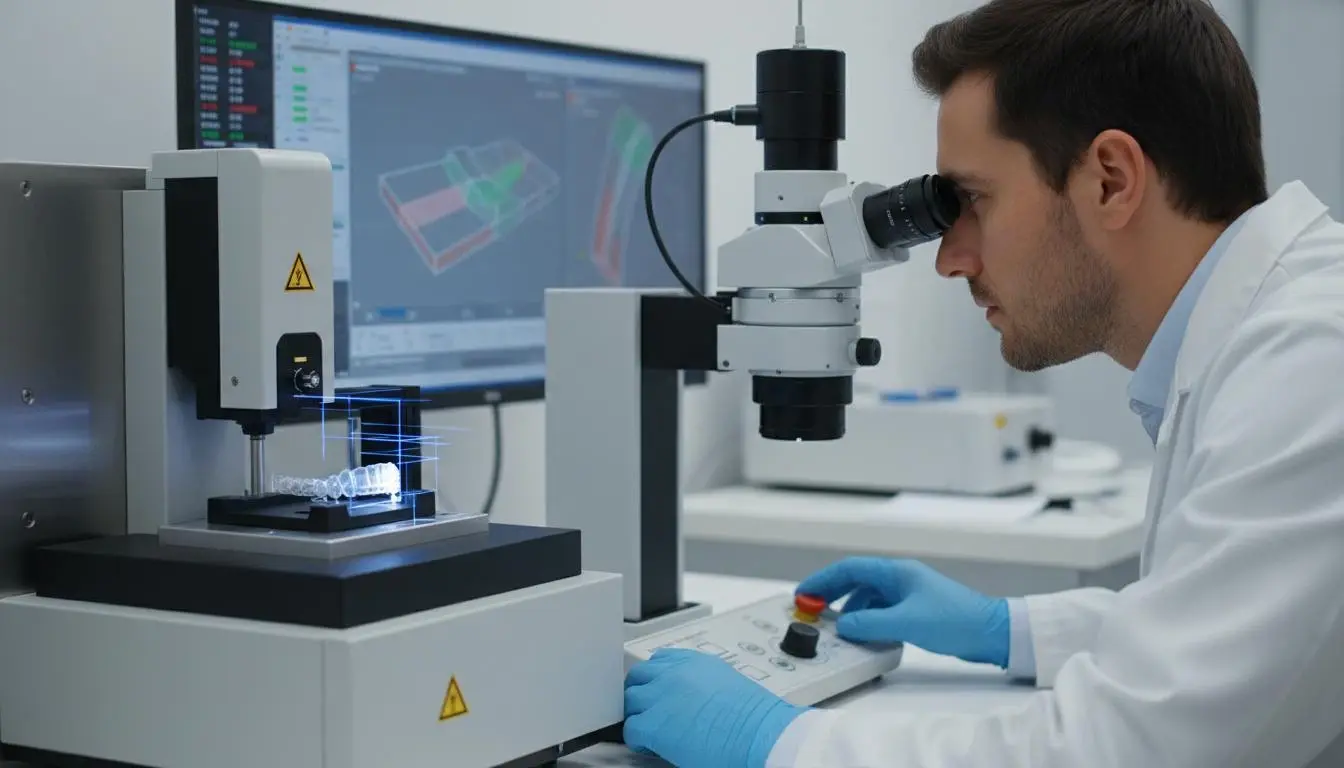
Manufacturing defects — whether trimline inconsistencies causing gingival irritation, thickness variations affecting force delivery, or surface roughness impacting comfort — directly influence patient compliance. Remember, patient compliance represents 20% of your treatment effectiveness equation. A poorly manufactured aligner, regardless of how brilliant the treatment plan, will compromise outcomes if patients refuse to wear it.

3. Striking the Right Balance: Design vs. Production
When comparing two potential OEM clear aligner manufacturing partners, you will inevitably face trade-offs. One partner may offer superior design capabilities with experienced orthodontic planners and advanced simulation software. Another may boast larger production capacity with fully automated lines and lower per-unit costs. How should you weigh these factors?
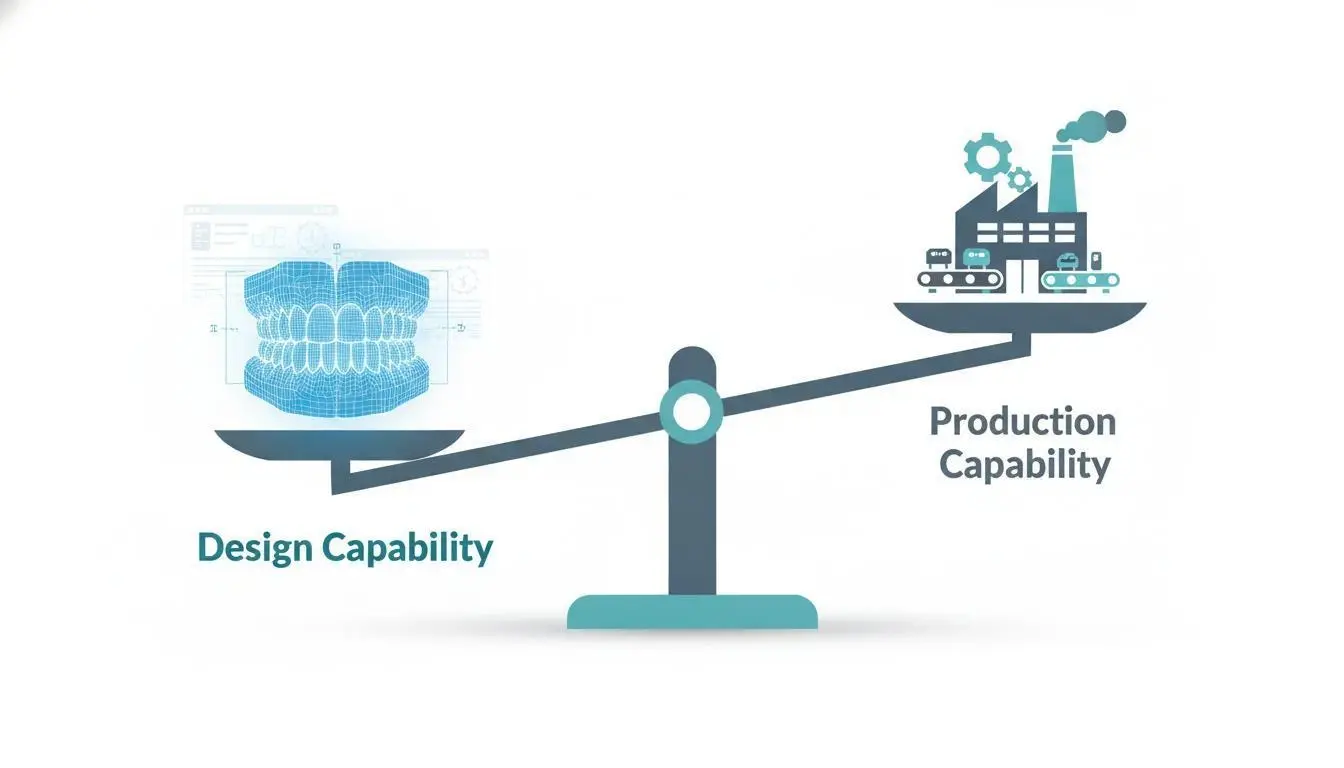
The answer lies in understanding the hierarchy of value creation. Clear aligner design capability is more important than mass production capability. Here’s why: a brilliant treatment plan executed on adequate manufacturing equipment will produce better clinical outcomes than a mediocre plan executed on the most advanced production line. The 60/20/20 effectiveness distribution makes this hierarchy objectively clear.
This does not diminish the importance of manufacturing quality. Rather, it establishes the proper prioritization sequence. First, ensure your partner can deliver world-class treatment planning. Second, verify their manufacturing meets medical device quality standards. Third, evaluate production scalability. A partner strong in design but weak in production can potentially upgrade equipment. A partner weak in design cannot easily develop the specialized orthodontic expertise that drives treatment success.
Selecting an OEM clear aligner manufacturer requires a strategic perspective grounded in understanding what truly drives treatment success. The treatment plan’s dominant 60% contribution to outcomes makes design capability your foremost criterion. Manufacturing quality, while secondary in the effectiveness hierarchy, remains essential for patient comfort and compliance. Mass production scalability matters most for high-volume brands but should never be prioritized at the expense of design excellence.
When evaluating potential partners, look for demonstrated expertise in orthodontic treatment planning, robust quality management systems, and scalable production infrastructure — in that order. The right OEM partner becomes an extension of your clinical team, and their capabilities will ultimately be reflected in your brand’s reputation and your patients’ smiles.