The global clear aligner market reached approximately USD 8.5 billion in 2025 and is projected to grow at a CAGR of 26-30% through the next decade. Within this expansion, the direct-to-consumer (DTC) model has emerged as both a disruptive force and a cautionary tale. By eliminating traditional orthodontic office visits and shipping aligners directly to patients’ homes, DTC brands promised to democratize orthodontic care at prices 30-50% below major doctor-driven clear aligner brands. Understanding how this model works, where it profits, and why it faltered offers critical lessons for dental professionals, lab owners, and emerging aligner brands.
How the DTC Model Works
The Patient Journey
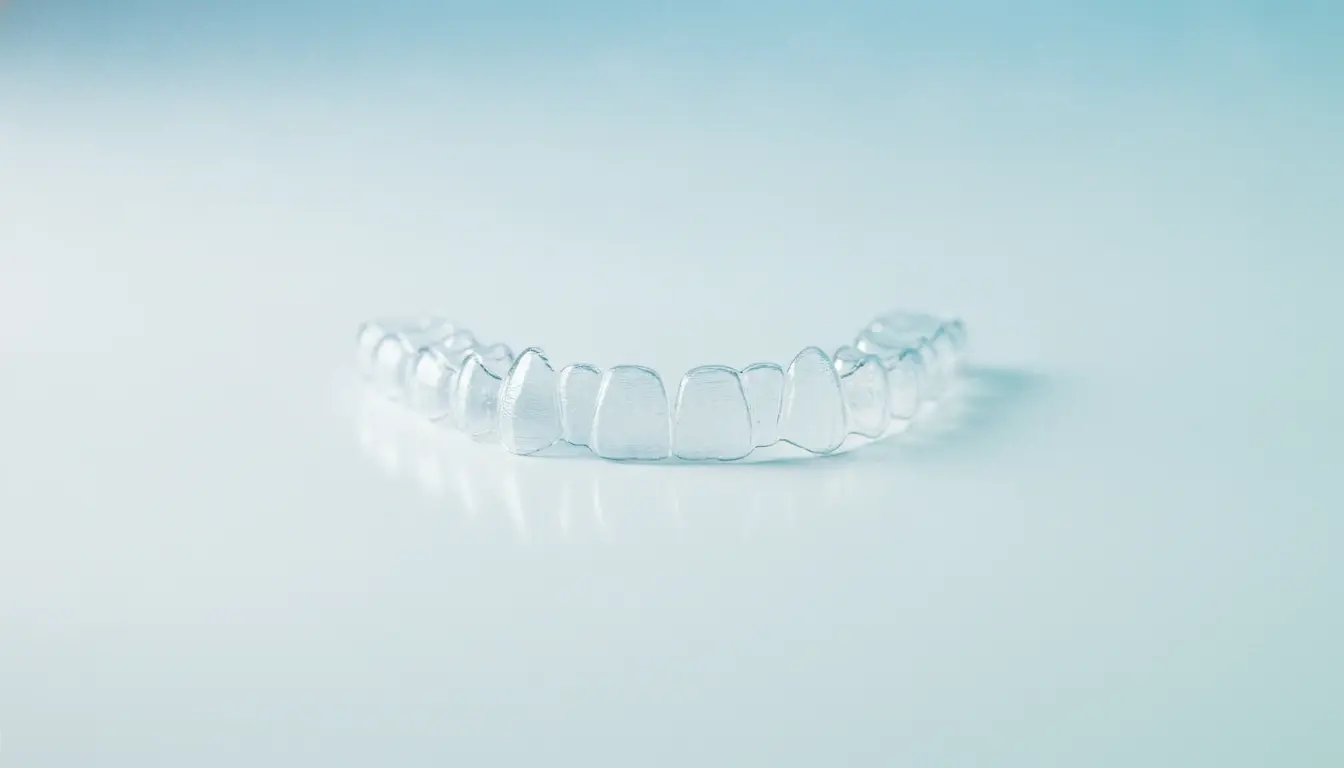
The DTC journey replaces chairside visits with remote, technology-enabled workflows. Patients begin by ordering an impression kit online or visiting a physical scan location. Dental impressions or intraoral scans are sent to a centralized facility where dental technicians create digital treatment plans, often reviewed by licensed dentists remotely. Once approved, a series of clear aligners is manufactured, typically through thermoforming over 3D-printed models, and shipped directly to the patient. Progress is monitored through mobile app photo submissions rather than in-person adjustments.
Supply Chain & Manufacturing
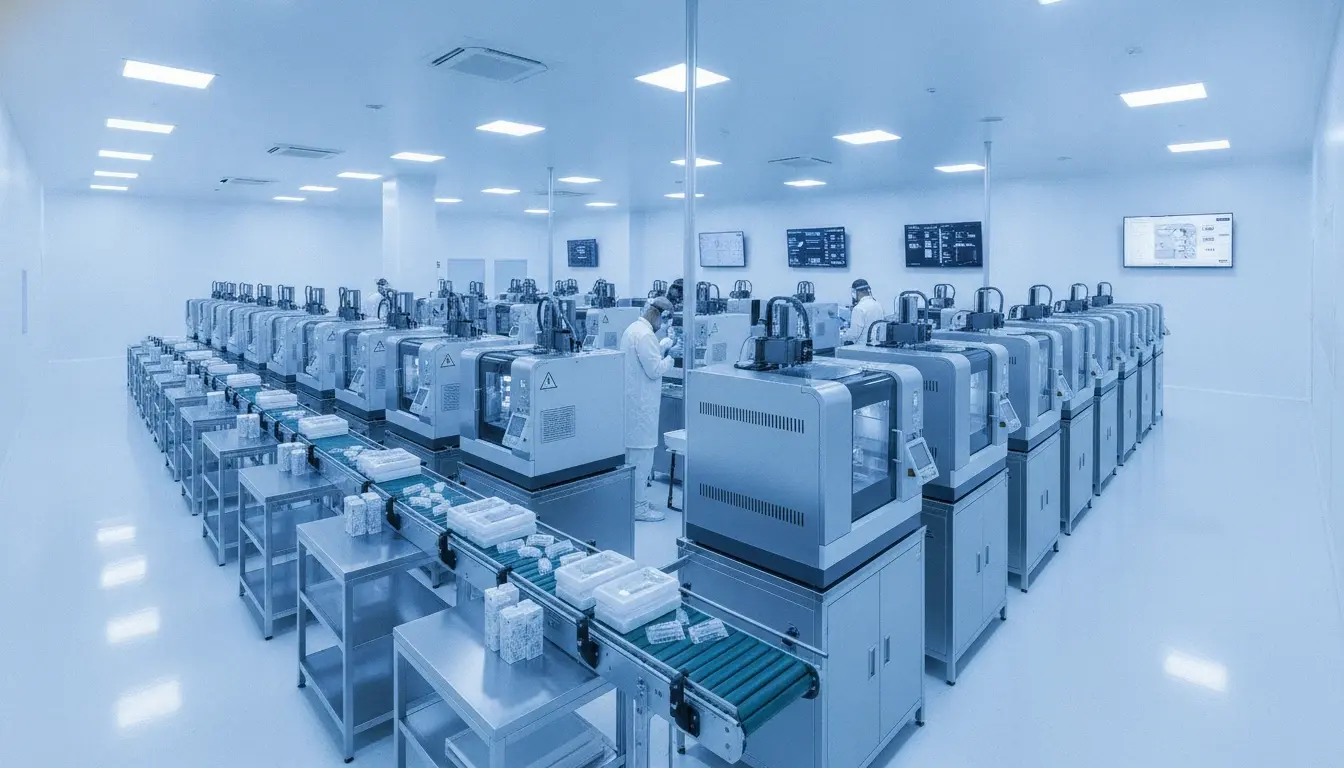
The operational backbone of a DTC aligner company combines digital orthodontics with centralized manufacturing. At scale, leading facilities reportedly produce over 50,000 unique aligner molds daily using fleets of industrial 3D printers. Per-case manufacturing costs can be driven down to approximately $250-$350 per full treatment set through automation. However, the model demands massive upfront capital for production facilities, regulatory compliance across multiple jurisdictions, and technology infrastructure for remote monitoring and treatment planning.

Unit Economics & Profitability
Revenue Streams
DTC aligner brands typically price treatment between $1,800 and $2,400 per case—roughly 30-50% less than major doctor-driven clear aligner brands. Revenue composition includes upfront payments, installment plans (often at zero interest with credit risk borne by the company), and ancillary products like whitening kits and retainers. Average revenue per case across the segment hovers around $1,900-$2,000.
Cost Structure & Margins
The gross margin per case appears healthy at approximately 70%, with COGS (manufacturing plus clinical labor) consuming roughly $600-$800 per case. The critical challenge lies in customer acquisition. Marketing and sales expenses routinely consume 40-50% of revenue in this competitive space. After accounting for customer acquisition costs, operational overhead, technology development, and corporate expenses, contribution margins shrink to near breakeven. The DTC model is fundamentally a customer acquisition economics problem disguised as an orthodontic business.

The SmileDirectClub Case Study
SmileDirectClub, once the segment’s poster child with an $8.9 billion IPO valuation in 2019, filed for bankruptcy in 2023. The company shipped aligners at roughly $1,950 per case but spent approximately $700-$900 to acquire each customer—primarily through aggressive digital advertising. With marketing consuming 40-50% of revenue annually ($340 million in 2019 alone) and no recurring revenue base, the business required continuous new customer inflows just to sustain revenue.
When patient acquisition costs rose and growth slowed, the operating leverage of its massive Tennessee manufacturing facility worked in reverse. The brand also faced persistent clinical criticism and regulatory challenges regarding remote orthodontic treatment without sufficient professional oversight. The SmileDirectClub story illustrates that disrupting price without a sustainable cost structure or clinical credibility is not a viable strategy.
The Strategic Pivot to Hybrid Models
Doctor-Integrated DTC
The industry’s response to pure DTC failures has been the emergence of hybrid models—brands that combine consumer convenience with professional oversight. These “doctor-driven DTC” models route patients through dental professionals for initial scans and periodic checkups while maintaining the price advantage of centralized manufacturing. Companies like Straumann have explicitly pivoted toward DTC-to-professional strategies, recognizing that clinical credibility is essential for both patient outcomes and regulatory acceptance.
Implications for B2B Partners
For OEM manufacturers and orthodontic labs, this evolution creates significant opportunity. Brands entering the hybrid space require scalable production partners, AI-driven treatment planning services, and automated quality control systems. Labs that can deliver end-to-end solutions—from digital setup to finished aligner—position themselves as critical infrastructure partners rather than commoditized suppliers.
Clinical Risks and Patient Selection
The Sales-Treatment Balance
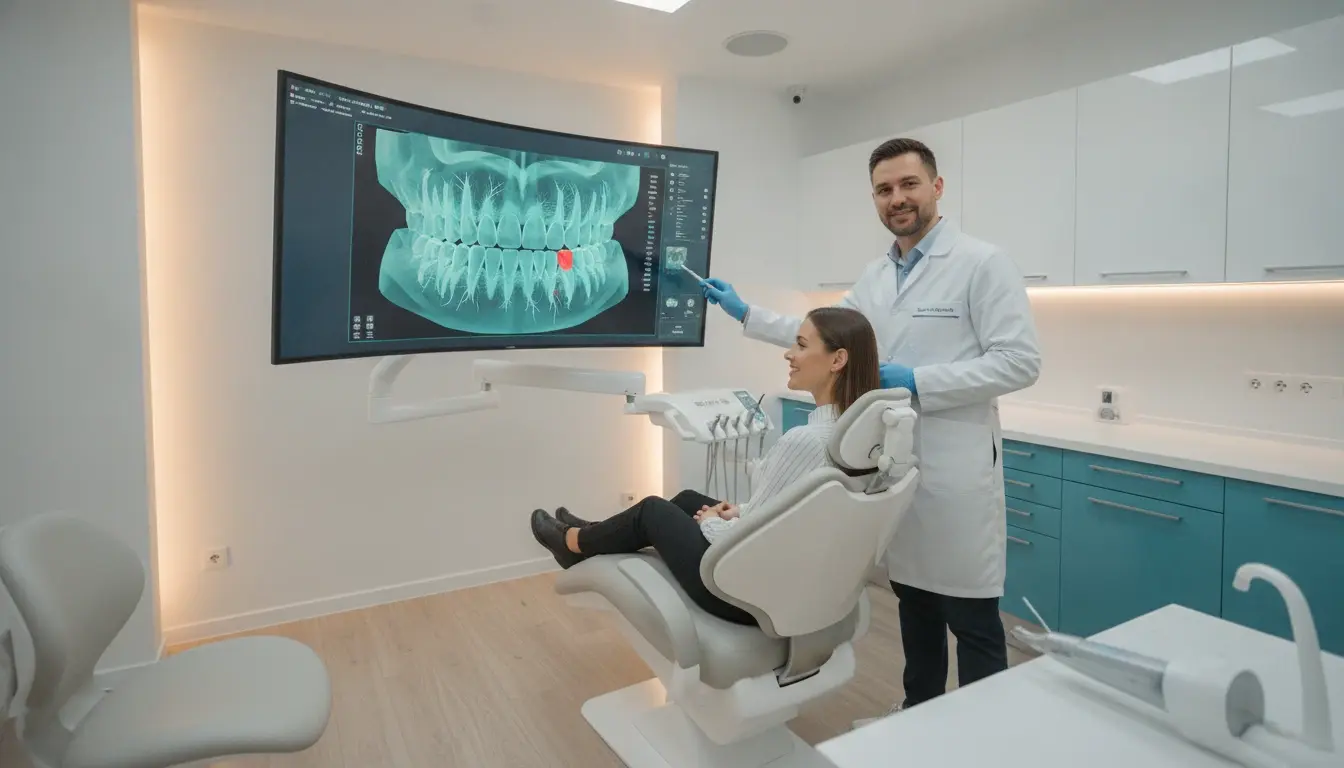
A persistent hazard in the DTC model is the tension between sales targets and clinical appropriateness. When revenue depends on case volume, there is inherent pressure to approve borderline cases that should be referred to in-person orthodontic care. Several DTC brands have faced regulatory scrutiny and patient lawsuits alleging that aligners were sold for cases requiring comprehensive orthodontic evaluation—including skeletal discrepancies, periodontal compromise, or temporomandibular joint disorders. The lesson is clear: aligner brands must embed clinical gatekeeping as a non-negotiable operational principle, not merely a marketing claim.
Case Complexity Thresholds
Mild crowding and minor spacing issues may respond predictably to remote-managed clear aligner therapy. However, moderate to complex malocclusions—defined as cases involving extraction spaces, severe rotations (greater than 20 degrees), deep bite over 5mm, open bite, significant midline discrepancies, or anchorage-dependent movements—demand direct professional supervision. AI-driven treatment planning tools can assist in case screening, but they should function as decision-support systems, not replacements for clinical judgment. Brands that clearly define and enforce case complexity thresholds protect both patient outcomes and their own long-term reputational capital.
The DTC clear aligner model demonstrated that consumer demand for affordable, convenient orthodontic care is vast, but also that price disruption alone cannot sustain a business. Clinical credibility, patient safety protocols, and honest case selection criteria are not optional add-ons—they are foundational to brand survival. The future belongs to hybrid models that balance accessibility with clinical rigor. For dental labs, orthodontic service providers, and emerging brands, success will depend on manufacturing efficiency, AI-powered treatment planning accuracy, and regulatory-compliant workflows that put patient outcomes first.